 Link building
 Guest Posting
 Niche edits
 Profile backlinks
 Crowd links
 Submission links
 Contextual Backlinks
 White-label link building
 PBN Building
 Haro links
 Digital PR
 SEO
SEO
 SEO copywriting
 Google Indexing
 Quora links
 Add to catalogs
 AI SEO
 Reddit

Want your content to work like a well-oiled customer acquisition machine, not just a random collection of articles? The secret isn't individual keywords, but a solid, holistic SEO content strategy.
This guide is your ready-made framework for building one. No fluff – just concrete steps, checklists, and methodologies to turn SEO content creation from a creative gamble into a manageable process with measurable results.
Heads up: In our article "What Is SEO Content and How Do You Create It Effectively," we covered the theory – types, formats, principles, and common mistakes. Here, we're all about practice. You'll get a step-by-step plan to build an SEO content plan that covers the entire sales funnel, guiding users from their first question to a purchase.
From Business Goals to Content Strategy: The Foundation of Effective SEO
Without a solid foundation, even the best SEO content for brand promotion is just shooting in the dark. This section is your starting point for building a plan that actually works.
How to Set Content Marketing Goals That Actually Support Your Business
The first step in SEO content planning is turning broad business goals into specific, measurable tasks for your content. "Increase profit" is a business goal. A content task is "increase targeted leads from the website by 30% this quarter using SEO content."
Use the SMART framework to lock in your goals:
- Specific: Not "more traffic," but "traffic from commercial queries in the Pacific Northwest."
- Measurable: Track rankings, organic traffic, time on site, conversion rate.
- Achievable: Be realistic about your resources and site authority.
- Relevant: The content goal must directly move the needle on a business metric.
- Time-bound: Set clear deadlines to review results.
Your SEO content plan should flow directly from these goals. Aiming for awareness? Focus on top-of-funnel content. Need more sales? Double down on SEO content for promotion at the bottom of the funnel.
Market and Audience Analysis: Finding Your Place and Your Voice
Before you build SEO content, you need to understand the lay of the land. A deep dive helps you spot the "white space" – topics your competitors are missing but your audience cares about.
- Competitor Analysis:
- Map Their Content: What SEO content ideas are they using? Which formats (guides, case studies, deep-dives) perform best for them?
- Spot Strengths & Gaps: What content earns them backlinks and shares? Where is their info thin or outdated?
- Reverse-Engineer Their Strategy: Figure out their topic clusters and how their site architecture supports them.
- Get to Know Your Audience. To use SEO content to attract organic traffic, you need to understand their pain points. Ask:
- What problems are they searching for? This shapes your target keywords.
- What's their language (casual or professional)? This defines your SEO content writing style.
- What's their journey from problem to solution? This blueprint builds your content funnel.
This analysis is your goldmine for unique ideas and the foundation for a voice that cuts through the noise.
Auditing Existing Content: Your Launchpad for Growth
Your quickest wins are often hiding in plain sight. Before brainstorming new SEO content ideas, take stock of what you already have. This audit is your launchpad.
Your Step-by-Step Audit Plan:
- Take Inventory. Export all URLs using a tool like Google Analytics, Screaming Frog, or Ahrefs.
- Gauge Performance. Sort pages by key metrics: organic traffic, rankings, conversions, backlinks.
- Classify with the "Traffic Light" Method:
- Green Light: Content that already ranks well and drives traffic/leads. Your job: enhance, update, and leverage it to improve search engine rankings.
- Yellow Light: Pages with potential but poor rankings. These often need a refresh with new keywords or more depth.
- Red Light: Pages with no traffic or value. Merge them with stronger content, delete them (with a 301 redirect), or rewrite them entirely.
The result isn't just a report – it's an actionable plan. You'll see which existing pieces can be quickly optimized for top spots, saving resources for new creations. This is the core of your first SEO content plan.
Strategic SEO Content Planning: From Semantics to Site Structure

This is where the rubber meets the road. Without strategy, SEO content creation is just a scattered series of blog posts. Pages go live but don't grow. Usually, the culprit is weak keyword research and a site structure that doesn't support your goals.
This stage is about connecting keywords, user intent, and page architecture into a single, powerful system. That's how you build an effective SEO content strategy, not just a publishing calendar.
Advanced Keyword Research: The KOB Method
Standard keyword research looks at search volume and difficulty. The Keyword Opposition to Benefit (KOB) method adds a strategic layer. It helps you target not the most popular terms, but the ones that give you the biggest bang for your buck. In short, KOB weighs the benefit of ranking for a query against the effort required.
Run your analysis in three steps:
- Assess the Benefit. How valuable is this query for your business? For an e-commerce site, "buy iPhone 15 Pro Max case" is far more valuable than "history of smartphone design." Gauge benefit by potential traffic, conversion likelihood, and average order value.
- Assess the Opposition. Who are you up against? Look at the current top 10. Don't just check domain authority – look at how good the actual content is on those pages. Tough competition means high opposition.
- Make the Call. Compare benefit vs. opposition. High benefit, low opposition? Perfect target. High benefit, high opposition? A big project. Low benefit? Probably not worth it, no matter how easy.
Use tools like Ahrefs, Semrush, or Serpstat to gather the data.
This kind of SEO content planning filters out duds from day one. You only pursue queries where the payoff justifies the effort.
Pinpointing Search Intent
Keywords are the "what," but intent is the "why." If you don't nail the intent, your SEO content writing is off-target. Content that doesn't match what the searcher truly wants won't convert, even if it ranks.
There are four primary intent types:
- Informational ("how to," "what is")
- Commercial ("best," "vs," "review")
- Transactional ("buy," "price," "deal")
- Navigational ("Facebook login," "Nike website")
Don't guess the intent – check the search results. The best method is to analyze Google's top 10. If the top spots are product pages and "Add to Cart" buttons, it's transactional. If it's blog posts and guides, it's informational. Your job is to create SEO content for site that perfectly matches the expected format and depth.
Building a Topic Cluster Architecture
Once you know your keywords and intents, it's time to architect your site. This is where topic clusters come in.
A Topic Cluster is a set of interlinked content pieces revolving around one core, "pillar" topic. It signals expertise to search engines and helps users explore a subject deeply.
How to Build a Cluster:
- Choose Your Pillar Topic. This is a comprehensive, cornerstone guide on a broad subject. Example: "What is Link Building for SEO?"
- Create Cluster Content. These are detailed articles covering specific aspects of the pillar topic. For our example: "The Biggest Challenges in Link Building for SEO and How to Solve Them", "How to Create Linkable Assets: Boost Your Link-Building Strategy".
- Link It All Together. Every cluster article links back to the pillar page. The pillar page links out to all relevant cluster articles. This creates a clear hierarchy for both users and crawlers.
Clusters help you rank for long-tail queries and massively boost the authority of your pillar page. A visitor who lands on one piece can easily dive deeper. This is how you build a scalable, logical SEO content structure.
Building Your SEO Content Plan
Your content plan is not a glorified editorial calendar. It's the master document that turns strategy into tasks. Here's what to include for each piece:
- Core Topic & Primary Keyword. The heart of the piece.
- Intent & Goal. The format (article, guide) and the business outcome (traffic, leads, sales).
- Outline. A basic structure with H2 and H3 headings.
- Owner & Deadline. Who's doing it and when it's due.
- Success Metrics. What numbers you'll track post-launch.
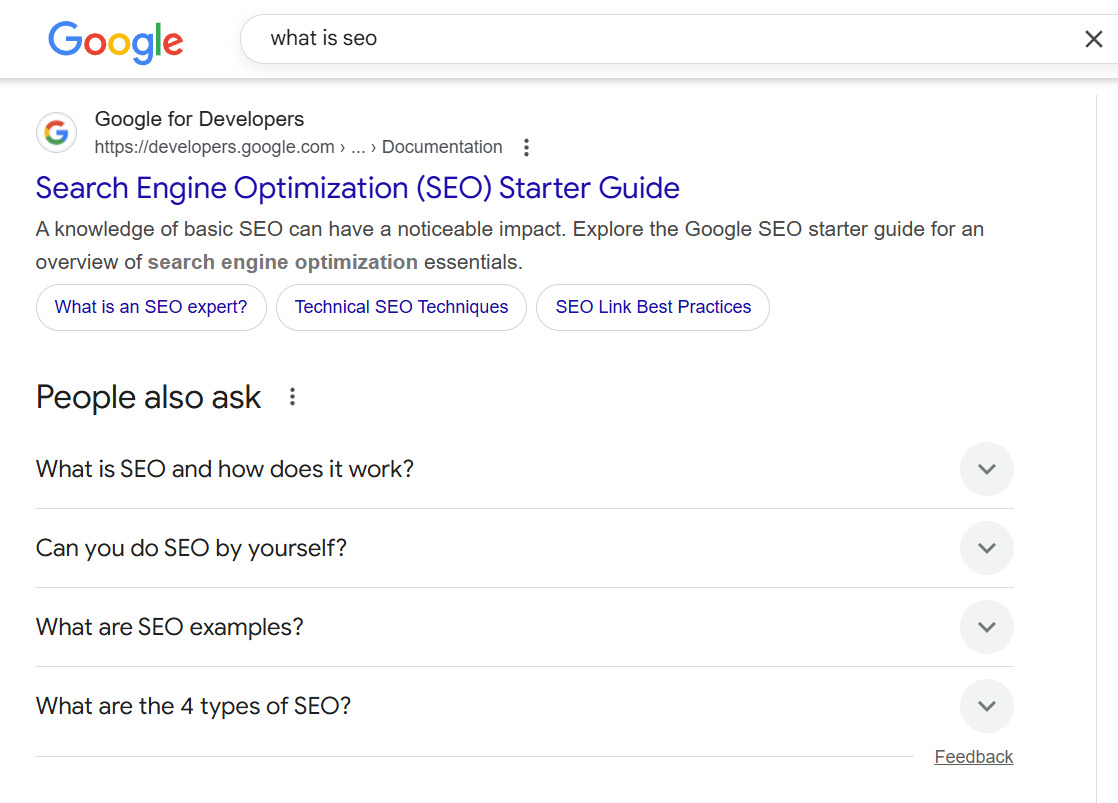
Where to Find Ideas? Mine Google Search Console for topics you're already getting traction on. Use the "People Also Ask" box in Google – it's a direct line to what your audience wants to know next.
Tools to Get Organized:
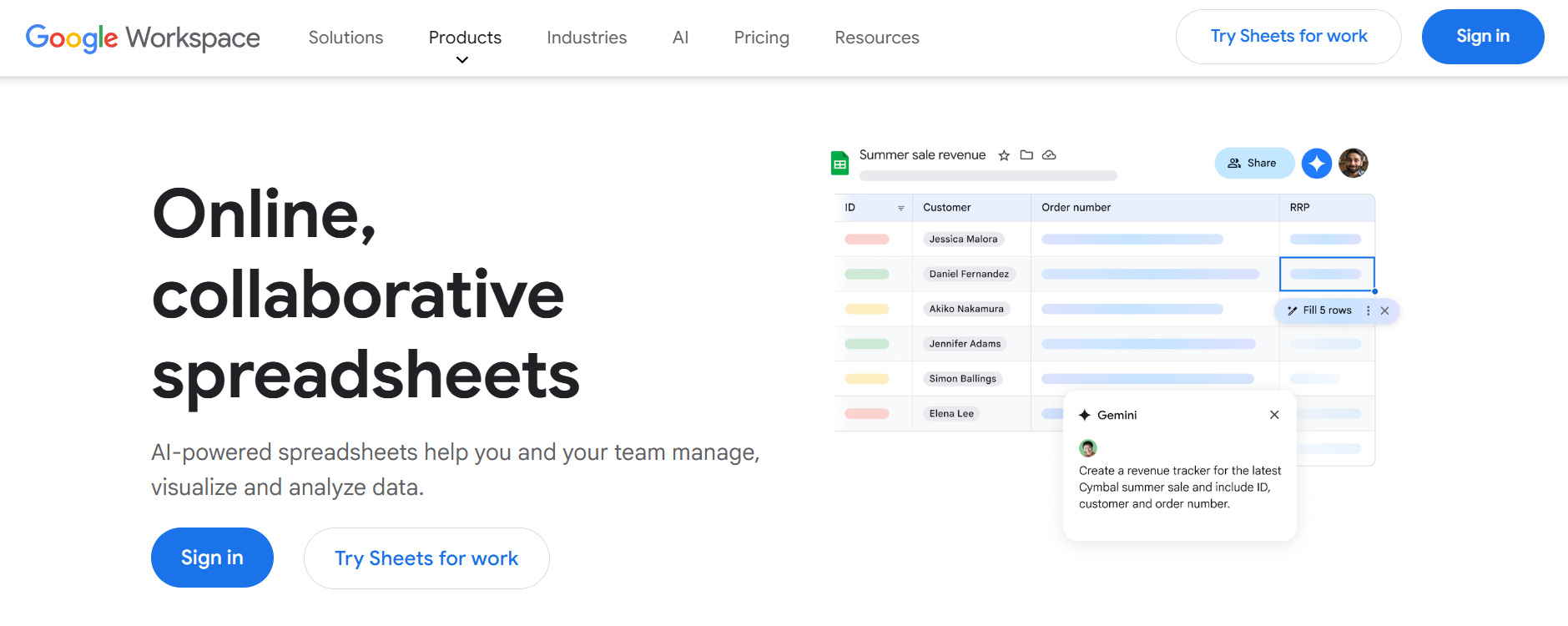
- Google Sheets is a free, flexible way to build your own template.
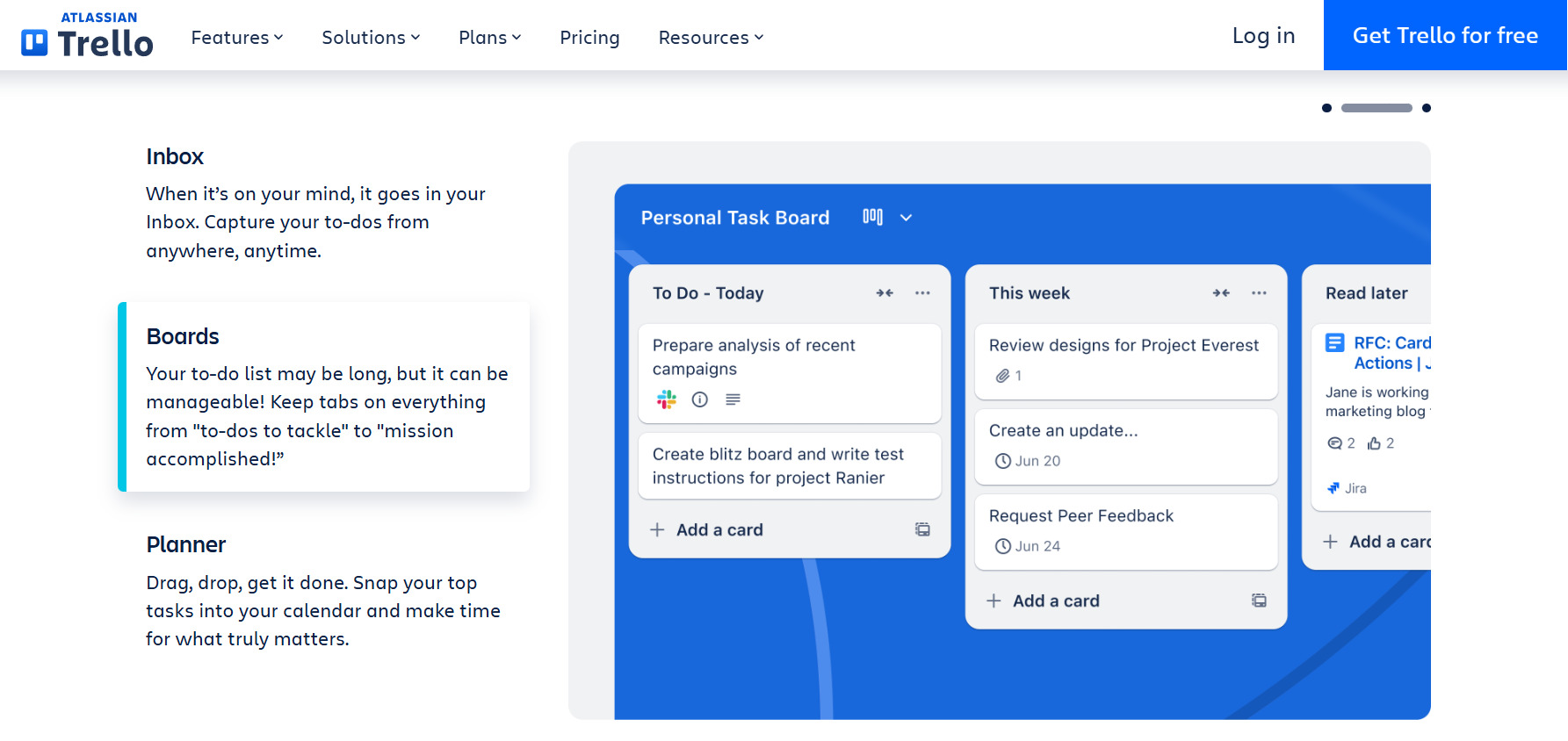
- Trello, Notion, or Airtable are great for visual planning and team collaboration.
- Keyword Clustering Tools like KeySearch, Zenbrief, or Serpstat can automatically group related keywords into topics, giving you a head start on your SEO content ideas.
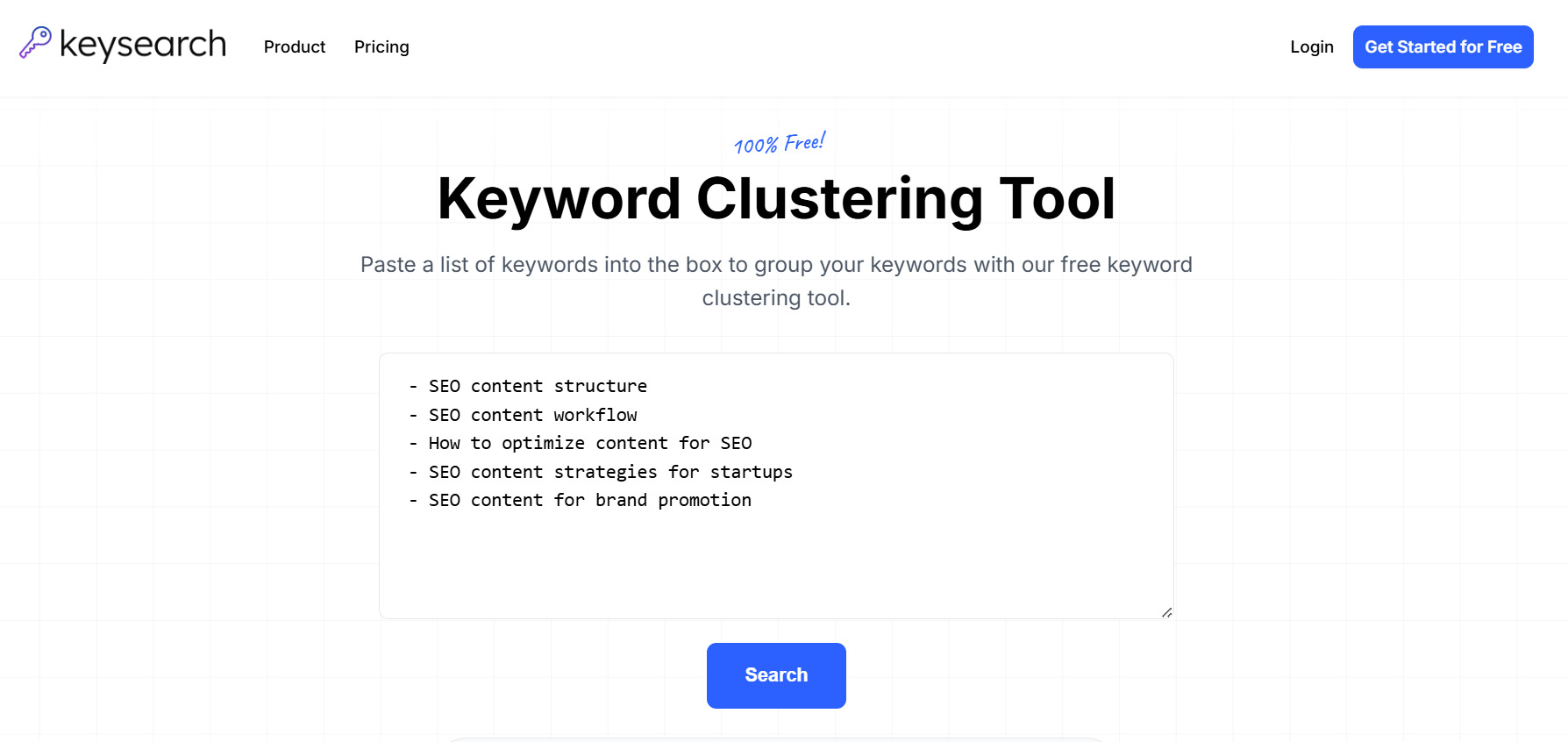
This stage gives you a pipeline of interconnected SEO content ideas, setting you up for sustainable growth. Next, we turn these plans into pages that people actually read and act on.
Creating and Optimizing SEO Content That Converts
You've got the strategy and the plan. Now comes the execution – crafting content that ranks high, engages readers, and drives them toward your goal.
Winning in the Age of AI Search: The Value Imperative
Search engines are rolling out AI assistants that summarize info right on the results page. Your new mission isn't just to provide information, but to become the indispensable source that a summary can't replace.
To keep your SEO content for promotion effective, lean into E-E-A-T (Experience, Expertise, Authoritativeness, Trustworthiness), with a heavy dose of real-world experience:
- Use "I" and "We" Where It Fits. Instead of "Data shows steel is tempered at 800°C," try "In our factory, we temper steel at 800°C. Here's exactly how that changes the final product's durability..." This proves firsthand experience.
- Bring Original Data to the Table. Run your own survey, test, or research study. Unique data and insights that exist nowhere else are your ultimate competitive edge. This is the content that gets cited – even by AI.
- Focus on Practical Application. AI is great at theory. You need to be great at practice. Offer step-by-step instructions, real-life pitfalls, and actionable advice. Be the coach, not the textbook.
- Provide Deep Context and Analysis. Go beyond the "what" to explain the "how," "why," and "what if." Compare options, weigh pros and cons, and share your expert opinion. This depth is your unique value.
SEO content creation for conversions is about delivering more than a quick answer. You want to be the final destination, not just another stop on the user's journey.
Your On-Page Optimization Checklist (No Skimping!)
Valuable content needs to be properly "packaged" for search engines. On-page SEO is the technical foundation that helps Google understand and rank your page.
Run every piece through this list:
- Title Tag (50-60 characters). Lead with the main keyword. Make it compelling with a number, a promise, or a question. Example: "5 Retargeting Campaign Mistakes (And How to Fix Them in 2026)."
- Meta Description (120-160 characters). This is your ad copy. Spell out the benefit and include a relevant keyword.
- H1 Heading. Should closely match the Title. One H1 per page only.
- Structure with H2s & H3s. Break text into scannable sections. Use keywords and related terms in subheadings.
- Strong Opening (100-150 words). Immediately state the problem you're solving and what the reader will gain.
- Optimized Images. Use descriptive file names (not “IMG_5432.jpg”, but “how-to-create-SEO-content.jpg”). Always write helpful ALT text.
- Internal Links. Link to 2-3 relevant pages on your site using natural, descriptive anchor text. Example: "This is a key part of building link equity."
- Speed & Mobile-Friendliness. Your page must load fast and look great on phones. This is non-negotiable for ranking.
Following this checklist ensures you're doing the essential SEO content optimization work that supports your great writing.
Writing SEO Content: For Humans, Approved by Algorithms

Let's bust a myth: you don't write for Google or for people. You write for people, and you make it easy for Google to see you've done a great job. The algorithms are getting really good at judging human-centric content.
Here’s how to hit that sweet spot:
- Prioritize Readability. Short paragraphs. Simple sentences. Bullet points. Your text should be easy to skim. If it's a wall of text, people will bounce, and Google will notice.
- Use Keywords Naturally. Stuffing is dead. Use your main phrase in the title, intro, one subheading, and conclusion. Throughout the body, use synonyms, variations, and related terms (LSI keywords). Google understands context.
- Solve the Problem Completely. If someone searches "how to choose a treadmill," don't just talk about belt types. Cover the motor, cushioning, programs, space, brand comparisons, and recommendations for different goals. Depth = quality signal.
- End with a Clear Call-to-Action (CTA). Every page should guide the visitor to the logical next step. An informational guide might CTA to a related article or a newsletter. A product page should have an "Add to Cart" button. Without direction, even brilliant SEO content for improving user engagement falls short for your business.
Remember, SEO content writing is persuasive communication, powered by technical know-how. When your content genuinely helps, is well-organized, and a pleasure to read, both people and algorithms will reward you.
That's the real secret to how to use SEO content to improve search engine rankings – a strategy that holds up through every algorithm update.
Promotion and Scaling: Making Sure Your Content Gets Found

Even stellar SEO content doesn't rank on its own. Search engines look at the bigger picture: who's linking to you, how fresh your site is, and how your content connects. This stage is about making sure your work doesn't just exist – it thrives and brings in steady traffic.
Building Links: Earning Them vs. Going Out and Getting Them
Backlinks are like votes of confidence from other websites. The more credible sites that link to you, the more trustworthy you look to Google.
You generally have two paths, both valid:
- Organic Link Building (The Dream). Links come to you because your content is simply that good and the others want to cite it. To achieve this, create content that deserves mentions: unique research, comprehensive guides, tools. Focus on depth and utility.
- Active Link Building (The Accelerator). This proactive approach speeds things up. Tried-and-true methods include:
- Guest Posting. Write a valuable article for a respected site in your field. The key is helping their audience, not just dropping a link.
- Digital PR. Use services like HARO to connect with journalists looking for expert sources. A mention in a news article is gold.
- Broken Link Building. Find 404 errors on relevant, authoritative sites and suggest your content as a replacement. It's a win-win.
- Community Engagement. Be a helpful contributor on niche forums, blogs, and Q&A sites. Build relationships and a positive brand presence.
Quality always beats quantity. One link from a top-tier industry site is worth more than dozens of low-quality ones. And remember, even unlinked brand mentions boost your visibility and authority.
Scaling Up: Creating a Content Machine
For a strategy to work long-term, you need consistency. Scaling means building a reliable content production engine.
- Define a Clear Workflow. Break the process into stages and assign owners:
- Strategy & Planning: SEO specialist finds topics.
- Writing: Copywriter crafts the piece.
- Editing & Prep: Editor polishes for quality, SEO, and visuals.
- Publishing: Webmaster formats and publishes.
- Promotion: Marketer or link builder shares and seeks backlinks.
- Build (or Assemble) Your Team. This can be in-house, freelance, or outsourced. Core roles: SEO strategist, content manager, writer/editor, and link builder.
- Use the Right Tools. Efficiency is key:
- Project Management: Trello, Notion, or Google Sheets.
- SEO Research: Ahrefs, Semrush, or Google Keyword Planner.
- Performance Tracking: Google Search Console and Google Analytics.
How to use SEO content to attract organic traffic at scale? This is where many hit a wall. Building a repeatable process and a strong backlink profile requires serious expertise and resources.
That's where LinkBuilder.com comes in. We specialize in comprehensive, strategic promotion.

Here’s what makes our approach different:
- Quality-Over-Quantity Links. We focus on securing placements on high-authority (DR 50–90), thematically relevant sites that actually move the needle.
- Strategy-First. We analyze your niche and competitors to build a custom plan, targeting weaknesses and opportunities.
- Full Transparency. You see every link placement – where, the anchor text used, and the site's authority.
- White-Hat Safety. We use only ethical, sustainable methods that keep your site safe from penalties.
If you're ready to build a system, not just publish posts, let our professionals handle the complex work of strategic link building.
Contact LinkBuilder.com for a backlink profile audit and a custom promotion plan designed to establish your site as a leading authority.
Measuring, Learning, and Improving: How to Prove ROI and Keep Getting Better
Publishing isn't the finish line. You need to know if your content is working, making money, and where to focus next.
An effective SEO content strategy is a continuous loop: Create > Measure > Learn > Improve. This turns content from a cost center into a measurable investment.
The Metrics That Actually Matter: From Clicks to Cash

Don't get lost in a single number. Track the full journey from search to sale. Think of your metrics in three tiers:
Tier 1: Visibility and Traffic Acquisition
These metrics answer: "Is the content being found?"
- Search Rankings. For which queries are your pages in the top-10, top-3? Track dynamics.
- Organic Traffic. The number of users coming from search engines. Check in Google Analytics.
- Click-Through Rate (CTR) in Search. The percentage of users who saw your page in results and clicked on it. Low CTR indicates a poor title or description.
Tier 2: Engagement and On-Site Behavior
These parameters answer: "Is the content liked and useful?"
- Pages per Session. How many pages a user visits per session. A high number indicates good internal linking and interest.
- Time on Page. How many minutes users spend reading your material. Low time often signals that content doesn't answer the query or is poorly written.
- Bounce Rate. The percentage of visitors who left the page without taking other actions. A high rate (e.g., over 70-80% for an informational article) is a warning sign.
- Scroll Depth. Shows what portion of the audience scrolled to the end of the page. A key indicator of attention retention. If low, the content is likely boring, complex, or too long.
Tier 3: Conversions and Business Results
These metrics show: "Does the content make money?"
- Goal Completions. Number of newsletter sign-ups, price list downloads, add-to-cart actions, or filled contact forms.
- Conversion Rate. The percentage of search visitors who completed a target action.
- Revenue from the Channel. The sales amount trackable to organic search visits. This is the ultimate ROI indicator.
Top-tier SEO content for brand promotion improves metrics across all three levels: attracts traffic, retains it, and leads to your desired action.
How to Analyze Your Content and Act on the Data
Data is useless without insight and action. Here’s a simple framework for how to analyze SEO content performance:
- Check Your Core Reports Regularly. Weekly or monthly, review trends in Google Search Console (rankings, queries) and Google Analytics (traffic, behavior). Look for patterns.
- Investigate Wins and Losses.
- Traffic Dropping? Check for new competitor content, changing search intent, or technical issues.
- Traffic Spiking? Figure out why (trending topic, great answer) and double down.
- Mine Search Console for Gold. Two key query groups:
- Queries where you're #3-5: These need defending and efforts to improve to #1-2.
- Queries where you're #6-20: This is your low-hanging fruit. A content or meta tags tweak can often break you into the top 10.
- Let Data Drive Your Decisions.
- Low CTR? → A/B test new title tags and meta descriptions.
- High Bounce Rate? → Improve your introduction, add subheadings, check content relevance.
- Traffic but No Conversions? → Strengthen or add a CTA, review the offer's alignment.
- Outranked by a competitor? → Update and expand your content with newer information.
This process turns analysis of SEO content performance into a conversation with your audience, guiding your next move.
Your System for Keeping Content Fresh and Relevant

Content gets stale. Outdated info hurts your credibility and your rankings. A schedule for updates isn't a "nice-to-have" – it's mandatory for maintaining results.
What to Update First? Prioritize:
- Pages with declining traffic.
- Core commercial pages (product pages, service descriptions).
- High-traffic articles with low conversion rates.
"Updating" Means More Than a New Date. It's a substantive refresh:
- Refresh Facts: Update stats, prices, regulations, dead links.
- Add New Insights: Include recent case studies, new data, or additional sections.
- Improve Formatting: Add tables, charts, bullet points, or a summary video.
- Deepen Coverage: Answer new "People Also Ask" questions directly in the article.
- Technical Tune-Up: Refresh meta tags, add new internal links.
Build a quarterly audit into your content marketing strategy. Review and refresh your 10-15 most important pages. This lets you use existing SEO content to attract organic traffic year after year.
We practice what we preach at LinkBuilder.com, constantly updating and improving articles in our blog. If you read one of our guides last year, check it again – it's probably even better now.
Your SEO Content Action Plan for 2026
This checklist will get you from zero to implemented. Follow these steps to build a foundation for growth. This is a cycle, not a one-time project.
Phase 1: Lay the Groundwork (Strategy & Planning)
- Define 1-2 SMART business goals for content (e.g., "Generate 30% more qualified leads for Service X by Q3").
- Use the KOB method to pick 5-10 high-value, achievable target keywords.
- Build your first topic cluster: 1 Pillar page + 3-5 supporting cluster articles.
- Create a content plan for the next quarter in your tool of choice (Sheets, Trello, etc.).
Phase 2: Create & Optimize
- Before writing, analyze the top 5 search results to match intent and depth.
- Weave in E-E-A-T: Add experience, original data, or unique analysis.
- Run every piece through the On-Page Optimization Checklist.
- Craft a strong CTA in the conclusion that matches the page's goal.
Phase 3: Promote, Measure, & Iterate
- Start active link building: Secure one guest post or fix one broken link.
- One month post-publish, analyze performance in Search Console. Boost pages ranking #6-20.
- Quarterly Audit: Update 3-5 pages with declining traffic or outdated info.
- Semi-Annual ROI Review: Link your Phase 1 goals to actual lead/sales data in Analytics.
Doing even 70% of this consistently will transform your content marketing strategy. The key is to start and stick with it.
Ready to implement a professional-grade strategy for predictable growth? Let's talk.
LinkBuilder.com specializes in making content work harder, through strategic copywriting and authority-building link campaigns. We handle the heavy lifting so you can focus on your business.