 Link building
 Guest Posting
 Niche edits
 Profile backlinks
 Crowd links
 Submission links
 Contextual Backlinks
 White-label link building
 PBN Building
 Haro links
 Digital PR
 SEO
SEO
 SEO copywriting
 Google Indexing
 Quora links
 Add to catalogs
 AI SEO
 Reddit

Search engine optimization is a practical way to generate leads without having to pour money into ads every single day. Your potential clients are constantly searching for trips online, and a well-optimized site can be attracting them for you 24/7.
In this article, we’re going to walk through a clear, step-by-step game plan. We’ll get inside the head of your client before they travel – what they click on, what they type into Google. You’ll learn how to make sure your website is right there in front of them at that exact moment. By the end, you’ll have a solid handle on how to leverage travel agency SEO to actually boost your bookings.
Why Bother with SEO for Your Travel Agency? Moving from Hidden to Booked
Good search engine optimization pushes your website up to those prime spots on Google. So when travelers are hunting for tours, yours is one of the first they see. That directly translates to more sales.
Here’s the thing about SEO: it’s a much smarter long-term play than just relying on paid ads. Paid ads? Sure, they bring quick traffic, but they’re a leaky bucket. The moment you stop funding them, the flow of clients dries up instantly.
SEO for tourism business is the opposite. You put in the work to optimize your site once, and it keeps bringing in traffic month after month. Your initial investment pays dividends over time, steadily lowering your cost per lead. It’s the strategic way to build travel agency online visibility that lasts.
How Travelers Actually Search and Book: The Journey from Dream to “Click to Buy”
It’s rare for someone to land on a site and immediately hit “book.” The path is almost always longer. It starts with a spark – a dream or a problem. “I need an escape from this winter.” “Where can we celebrate our anniversary?”
Then the real research kicks in. They start typing things into Google like “where should I travel in November,” “best beachfront hotels for families with kids,” “DIY Rome itinerary.” This is the inspiration and information-gathering phase. They’ll hop between dozens of sites, devouring reviews and soaking up photos.
It’s only later, once they’ve narrowed things down, that the queries get specific: “Dominican Republic all-inclusive 10-night deal price,” “book Turkey vacation package.” This is the money moment – when they’re ready to purchase.
Your job is to be a helpful presence at every single step of that journey. If your site provides the answers they need during the planning stage, you build trust. So when they finally reach that purchase decision, they’re far more likely to choose you, the guide who’s been with them from the start.
Cracking Search Intent: The Real Key to Connecting with Your Client
It’s all about matching what you offer with what the user actually wants. Search intent is simply the “why” behind the words they type into that search bar.
Let’s break down the main flavors of intent you’ll see:
- Informational. “When do the Alps ski resorts open?” “What documents do I need for a UK visa?” They want a clear, helpful answer. Give it to them with a blog post or a solid FAQ page.
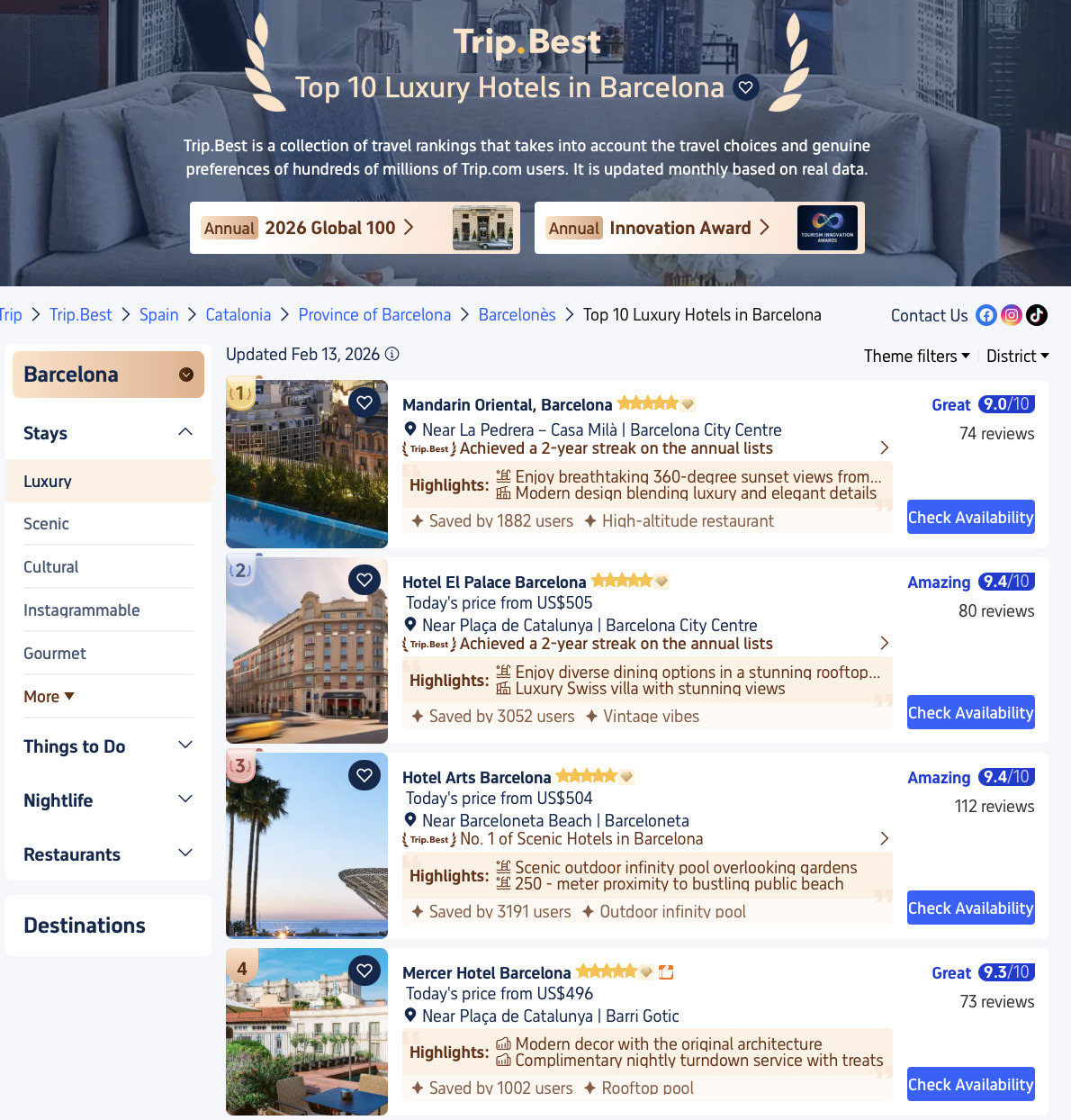
- Commercial. “best hotels in Barcelona with a pool,” “top-rated tours to Thailand.” They’re comparing options, trying to make the best choice. This is where reviews, comparison guides, and “best of” lists shine.
- Transactional. “buy cheap tour to Turkey,” “book Maldives vacation package online.” The credit card is practically in their hand. Your page needs to make it easy: a clear booking form, prominent phone number, and a strong call-to-action.
- Navigational. “Intrepid Travel official site.” They know the brand they want and are looking for the direct path. Make sure your site is easy to find.
Understanding this is the absolute bedrock of travel website optimization. If someone is searching for “self-drive itineraries Italy” and your page immediately tries to sell them a rigid tour package, you’ve misfired. Give them the itinerary ideas first, build rapport, then gently guide them toward booking a trip with you.
The Unique Hurdles of SEO for Travel Agencies
The travel niche comes with its own specific set of challenges. Knowing them upfront helps you plan smarter and dodge common pitfalls:
- The Rollercoaster of Seasonality. Interest in any given destination can swing wildly with the seasons and holidays. You’ve got to be on your toes, constantly refreshing content and shifting focus. That page you built for “New Year’s in Tokyo” is gold in October and November, but by February, its traffic will have plummeted.
- Fighting the Giants. The top spots in search are often owned by massive aggregators and online travel agencies (OTAs) with bottomless marketing budgets. Trying to outrank them for a generic term like “book a tour” is a losing battle. You need a smarter strategy – focusing on niche experiences, long-tail queries, or dominating your local market.
- Keeping Info Fresh is a Full-Time Job. Prices, availability, special offers – they change constantly. Google loves fresh, accurate content. If your site is still showing last year’s prices or expired deals, you lose trust and hurt your rankings. You either need solid integration with your booking system or a dedicated person for manual updates.
- Juggling Two Types of Queries. The customer journey is long, remember? You need content for the dreamers (blog posts, destination guides) and content for the buyers (landing pages with bookable tours). This takes serious content marketing muscle.
An agency that tackles these challenges head-on, systematically, builds a serious advantage over competitors who just wing it. The secret is realistic planning and laser focus on the concrete steps we’re about to dive into.
Laying the Groundwork: The Tech Audit and Optimization Your Travel Site Needs
Think of it this way: you’ve invited a client to your office. But the door sticks, the lights are off, and all your brochures are scattered on the floor. Even the most amazing deals would be tough to sell in that mess.
Your website’s technical health is that virtual office. If it’s clunky and broken, visitors will just leave and find a smoother experience with a competitor. Real travel website optimization starts with getting the technical foundations absolutely right.
Speed as Your Secret Weapon: Why a Slow Site is Burning Cash Every Second
How fast your pages load directly impacts whether people stick around and how Google treats you. They’ve been crystal clear about this.
- People are impatient. If your page takes more than 3 seconds to load, you’ll lose over half your visitors before they even see what you offer. You’re paying for that traffic; don’t let it vanish into thin air.
- Google demotes slowpokes. Site speed is a confirmed ranking factor. A sluggish site will struggle to rank well, especially in mobile search where everyone is on sometimes patchy connections.
- Conversions take a nosedive. Even a single second of delay can slash your conversion rates. For travel, where the average booking value is high, that’s a huge hit to your bottom line.
Your speed to-do list:
- Get your images under control. Those gorgeous, high-res hotel photos are probably massive files. Use compression tools (like ShortPixel or plugins) to shrink them without ruining the quality. And always specify image dimensions in your code.
- Leverage caching. Set up browser caching so returning visitors load your site almost instantly. It’s a simple win.
- Clean up your code. Audit your site for bloated scripts, plugins you don’t use, or custom fonts that are slowing everything down. Every extra byte counts.
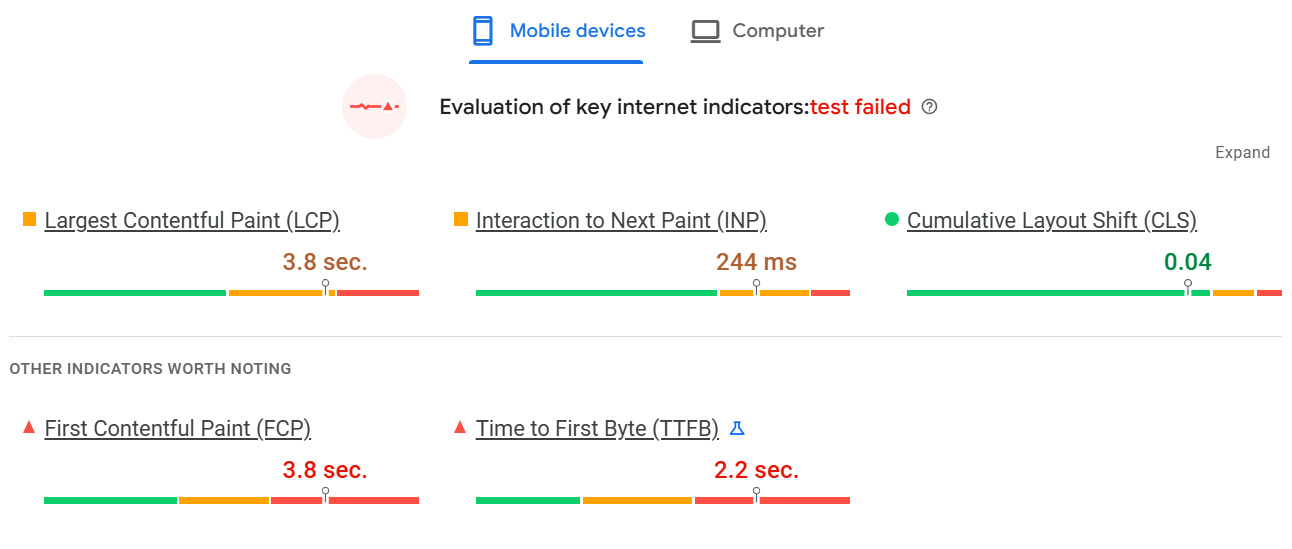
Run your site through Google PageSpeed Insights. It’ll give you a clear report card and tell you exactly what to fix.
Mobile-First: Nail the Small Screen or Get Left Behind
Google now primarily uses the mobile version of your site to decide how to rank it. And honestly, most travel planning happens on phones anyway. People browse trips on their commute, compare hotels during lunch, and read reviews from the couch.
Your site absolutely has to shine on that tiny screen:
- It must be responsive. That means it automatically adjusts to look perfect on any device – phone, tablet, whatever. Buttons need to be big enough to tap with a finger, menus easy to navigate. See this? This is what happens when a site isn’t responsive. The text is tiny, you have to pinch and zoom – it’s a nightmare on mobile.

- Make text readable. Fonts should be large enough to read without zooming. And that “Book Now” button? It should be impossible to miss.
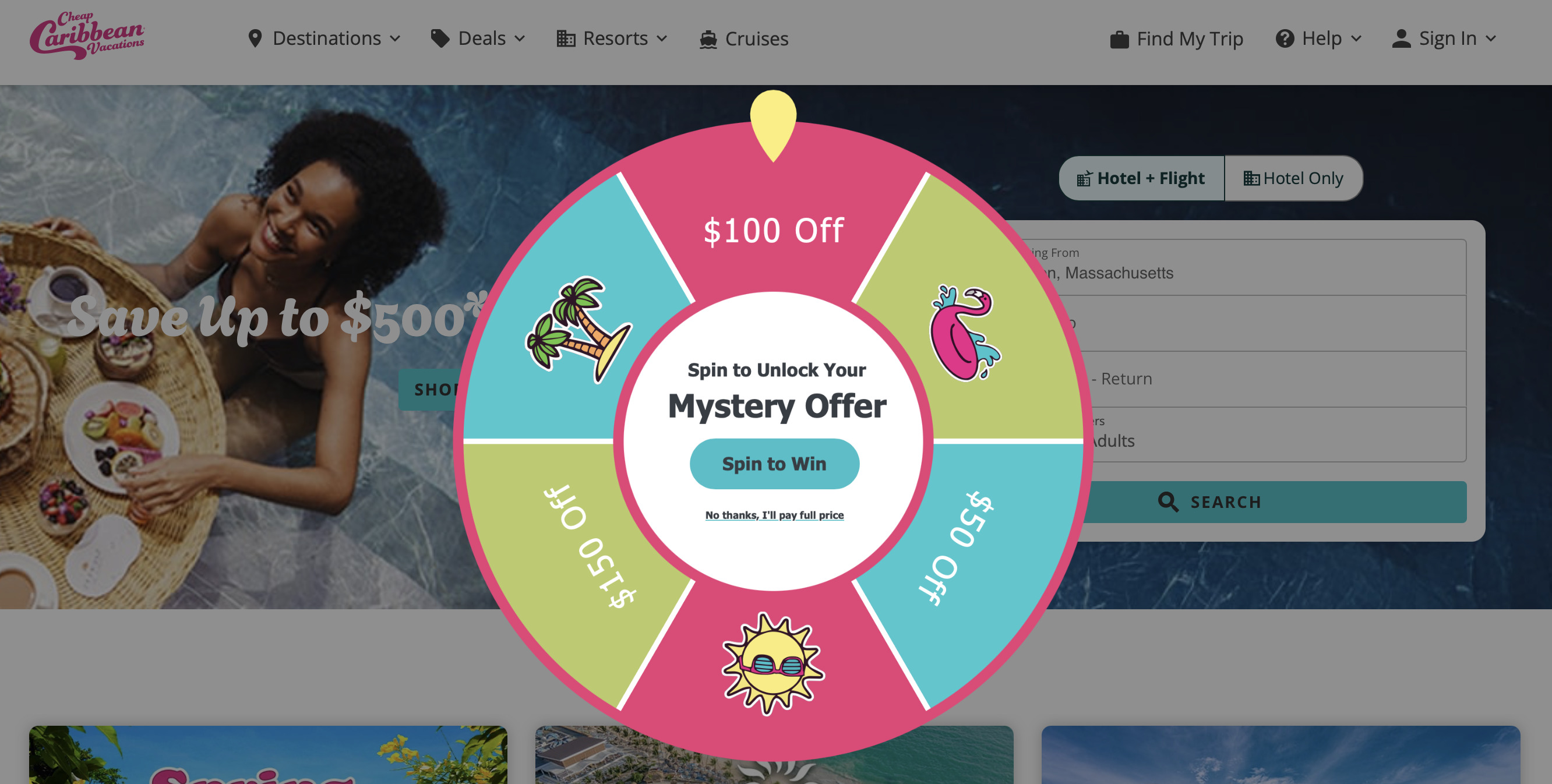
- Be gentle with pop-ups. Pop-ups that cover the whole screen are incredibly annoying on mobile. They skyrocket your bounce rate, and Google may even penalize sites that use them intrusively. This is the kind of thing to avoid – a pop-up that blocks the content you actually came to see.
Grab your phone right now. Go to your own site and try to book a trip from start to finish. If you have to zoom, squint, or carefully aim your taps, you’ve found a major opportunity for improvement in your travel SEO strategies.
Security, Navigation, Structure: Building a Site People Trust (and Google Loves)
Technical polish isn’t just about speed. It’s about creating an overall feeling of safety and reliability – crucial when someone is about to hand over their passport details and credit card info.
Get these right:
- HTTPS is non-negotiable. This is the padlock icon in the address bar. It encrypts data between your user and your site. Browsers now actively label sites without HTTPS as “Not Secure.” That’s an instant trust-killer. For any site taking bookings, HTTPS is absolutely essential.
- Navigation should be effortless. A user should be able to find anything on your site in three or four clicks. A clear menu, breadcrumb trails, a site search bar – these all help people find their way. Think: Home → Destinations → Turkey → 5-Star Hotels in Antalya. Simple.
- Architecture matters. This is the underlying structure of your site, the hierarchy that both users and Google bots need to understand. A logical structure helps spread “link juice” and makes indexing a breeze.
- Homepage: Your grand overview.
- Tour Type Sections: “Last Minute Deals,” “Family Holidays,” “Luxury Escapes.”
- Destination Sections: “Europe,” “Asia,” “Beach Holidays.”
- Specific Landing Pages: “Greece Family Vacation Packages,” “Honeymoon in Bali.”
- The Blog: “Ultimate Guide to the Amalfi Coast,” “Visa Tips for Schengen.”
Good structure and navigation solve two problems at once: they keep humans happy (they stay longer, explore more) and help search engine bots figure out what your site is about and which pages are most important. This is fundamental SEO for travel websites.
Your Keyword Strategy: Finding the Phrases That Turn Searchers Into Paying Clients
In travel, with its long, winding customer journey, picking the right keywords isn’t just a technical box to tick. The right keywords bring in people who are genuinely interested. The wrong ones? You get a flood of “window shoppers” who never book. A solid strategy isn’t about grabbing every keyword under the sun; it’s about finding the ones that perfectly match your business goals and where your customer is in their decision-making process.
From Broad to Specific: The Magic of Long-Tail Keywords in Travel
Broad, generic keywords like “tours” or “vacation packages” get searched a ton. But the competition for them is brutal, and the searcher’s intent is all over the map. Some might be dreaming, some comparing, some just looking at pictures.
Long-tail keywords are the opposite. They’re longer, more specific phrases. Competition is lower, and you know exactly what the searcher wants. They’re often the phrases people use when they’re ready to whip out their credit card.
Check out the difference:
- Broad: “Greece.” Crazy competition. No clue what they want: flights? history? tours? weather?
- Long-Tail: “last minute all-inclusive tour to Crete for 2, May 2026.” Low competition, crystal-clear transactional intent. This person is ready to book.
Long-tail is the bread and butter of travel marketing SEO. It’s where smart agencies start, especially if they’re not working with a massive budget. These searchers convert way better. Your job is to find hundreds of these specific phrases for your destinations and build pages that answer them perfectly.
Your Research Toolkit: Semrush, Ahrefs, and Google Trends
Guessing what people search for is a waste of time. You need data. Use professional tools that show you actual search volumes, trends, and related ideas:
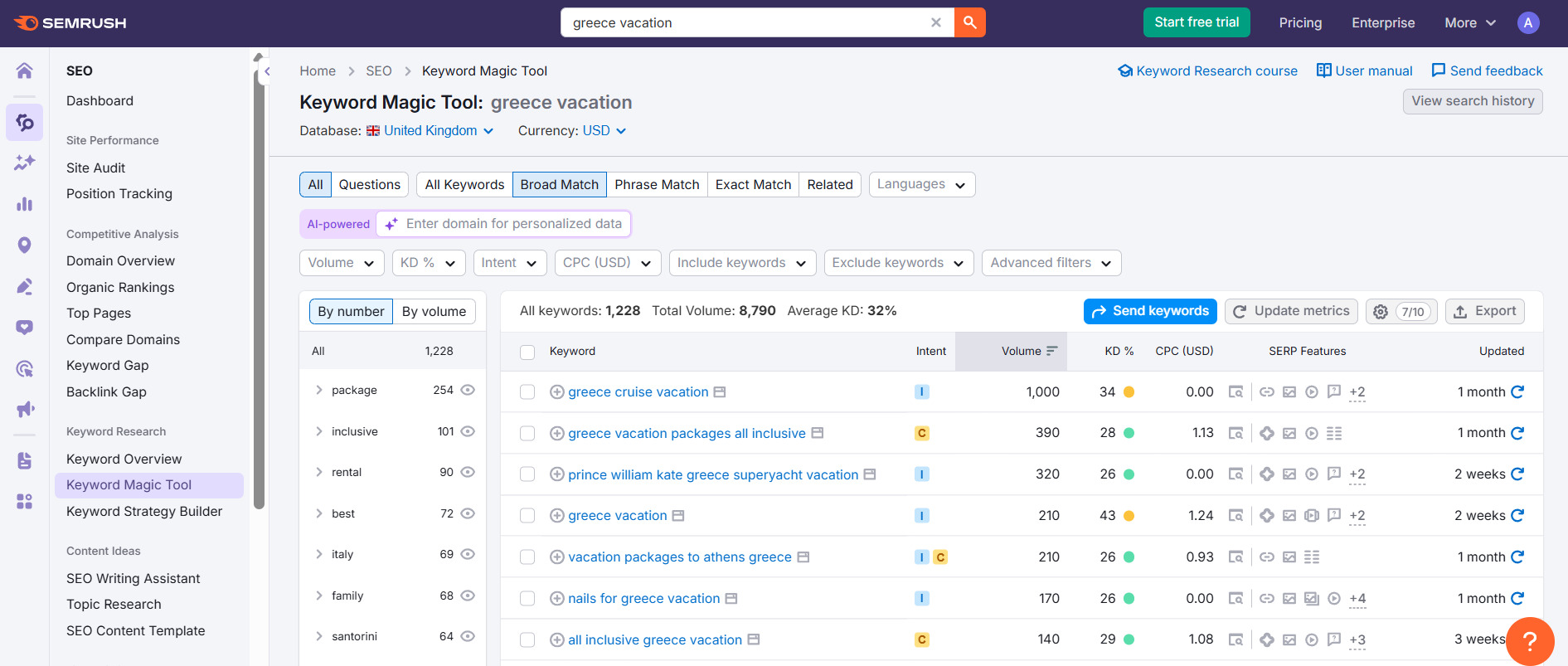
- Semrush. This is a powerhouse SEO tool for tour operators. Head to their “Keyword Magic Tool,” drop in a seed word like “Greece vacation,” and youll get thousands of related keywords, complete with search volume, trend data, and keyword difficulty scores. Filter by intent (commercial, informational) to find exactly what you need.
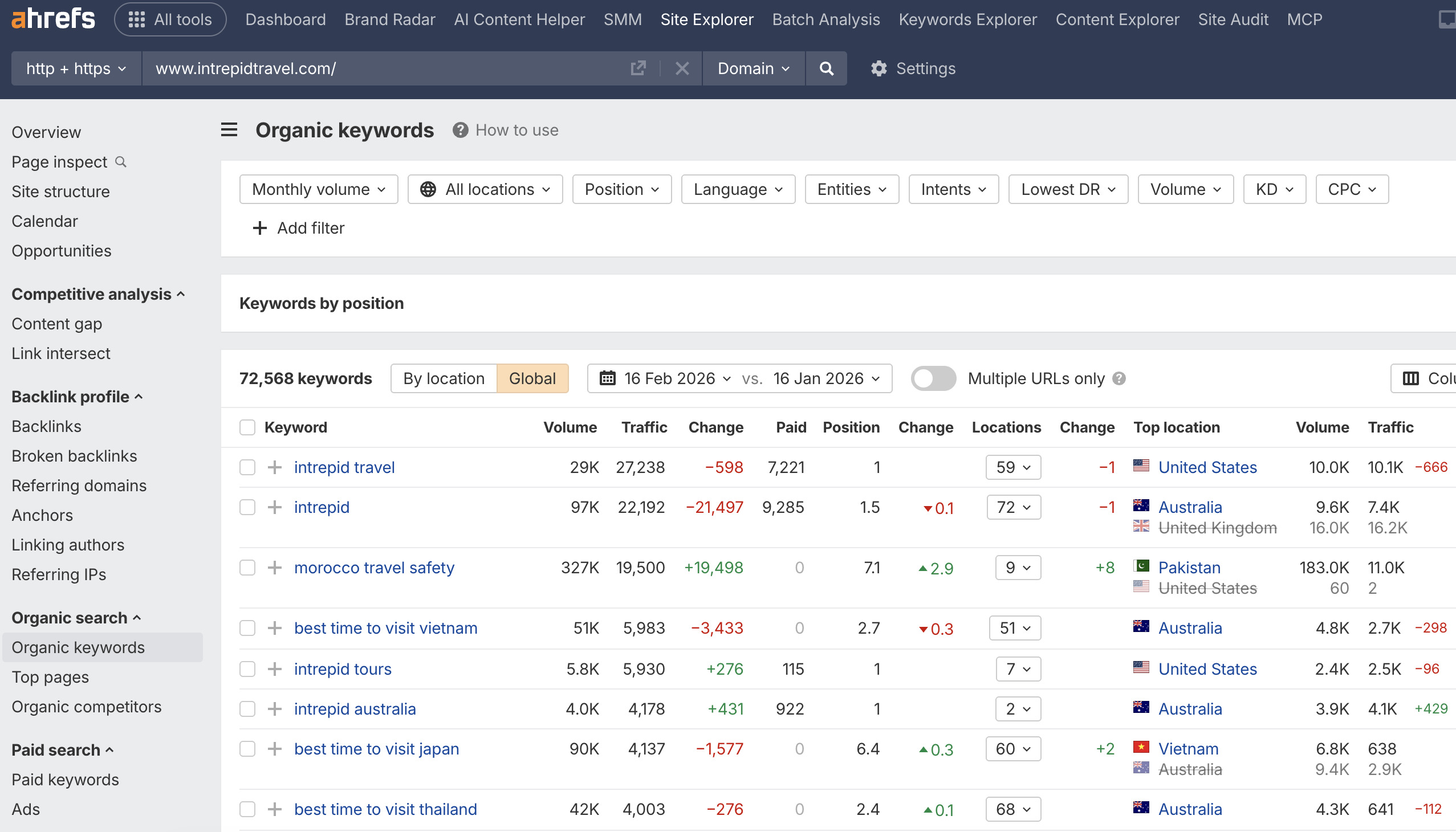
- Ahrefs. Another industry leader. Their “Organic Keywords” feature is similar, but Ahrefs really shines for competitor analysis. You can plug in a competitor’s URL and instantly see every keyword they rank for, how much traffic those keywords bring them, and which pages are performing best.
- Google Trends. This free tool is gold for understanding what’s trending. See how interest in different destinations changes over time. Compare the popularity of “beach holidays” vs. “city breaks.” Spot rising trends like “slow travel” or “digital nomad visas” before they become mainstream. It’s perfect for planning content that’s ahead of the curve.
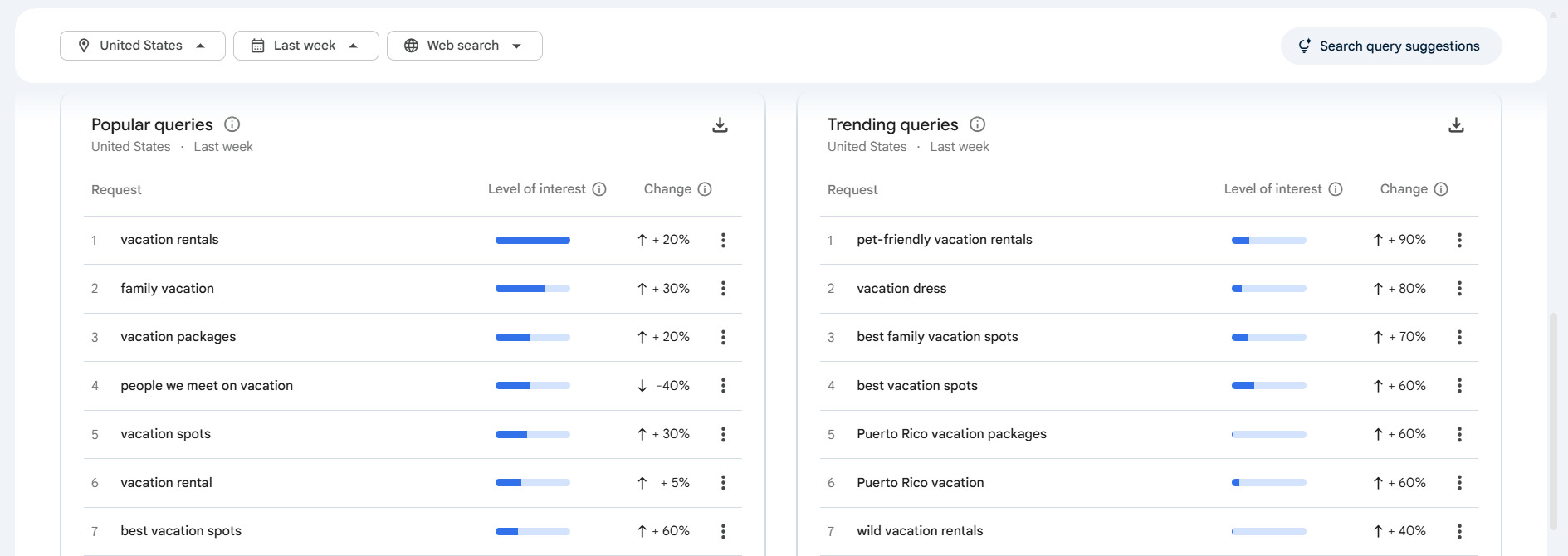
Using these tools together gives you the full picture: what people are searching for, how much, how demand shifts, and how hard it’ll be to rank.
Spy on Your Competitors: Unearthing Their Best Keywords
Think of it this way: your competitors have already done a ton of keyword research, probably spending money and time on it. Why not learn from their success? Here’s the playbook:
- Identify your top 5 rivals. These are the sites consistently outranking you for your most important keywords. They might be other agencies, but also travel blogs, review sites, or big online travel agents (OTAs).
- Dissect their keyword profile. Fire up Semrush or Ahrefs, plug in a competitor’s domain, and head to the “Organic Keywords” report. You’ll get a complete list of every keyword they rank for, their positions, and estimated monthly traffic.
- Filter and find the gems. Pay special attention to:
- High-traffic keywords. These are popular topics for a reason.
- Keywords where they’re in the top 3, and you’re nowhere to be found. These are your biggest opportunities.
- Informational keywords driving traffic to their blog. These readers are your future customers.
- Find the “Keyword Gaps.” These are keywords your competitors rank for, but you don’t. Both Ahrefs and Semrush have a dedicated “Keyword Gap” tool. Enter your domain and 3-4 competitors, and it instantly shows you the queries you’re missing out on.
This analysis gives you a direct answer to how to get bookings with SEO. You’re finding proven keywords that are already sending customers to your competition. Now, your job is to create content that’s even better, more comprehensive, and more useful than theirs. That’s the heart of travel agency digital marketing SEO.
Content That Inspires and Converts: From Blog Posts to Bookable Tours
Content is your main tool for talking with potential customers. It’s how you answer their questions, ease their doubts, and gently guide them toward hitting that “book now” button.

In travel, the best content does two things at once: it fuels their wanderlust and gives them the practical info they need to buy. Finding that sweet spot between emotion and facts is everything. Let’s dive into how to get bookings with SEO using killer content.
Persuasive Commercial Pages: Optimizing Your Destination, Tour, and Offer Pages
These are the pages where the magic happens – where a visitor fills out a form, calls you, or books online. Their mission isn’t just to rank; it’s to convert that traffic into actual leads.
Key Elements for a High-Converting Page:
- Nail the Headline (H1) and Meta Tags. Your H1 should clearly state the offer with your main travel agency SEO keyword (e.g., “2026 Tours to Georgia”). Your Title and Description tags need to be compelling summaries that include a call to action.
- Go Beyond the Basic List. Don’t just dump a list of hotels. Paint a picture of the destination. Describe the vibe of different resorts. “Batumi: A vibrant, modern coastal city with a bustling nightlife.” “Sighnaghi: A romantic, tranquil town perfect for couples.” Use subheadings (H2, H3) to break up the text and make it scannable.
- Filters and Tables are Your Friends. If you’re listing multiple tours, give people filters for date, price, hotel stars, and meal plans. A comparison table can be a game-changer, helping them decide at a glance.
- Calls-to-Action (CTAs) Should Pop. Buttons like “Book This Tour,” “Check Prices,” or “Get a Custom Quote” need to be visible and appear more than once on the page. Make the button text action-oriented, not vague.
- Show Them You’re Trustworthy. Sprinkle in genuine client reviews for that destination, ratings for hotels, and even photos or videos from past travelers. This social proof dismantles last-minute doubts.
This level of local SEO for travel agencies turns a simple catalog page into a persuasive sales tool.
The Blog as Your Traffic Engine: Ideas for Guides, Itineraries, and Tips Travelers Actually Search For
Your blog is the workhorse that pulls people in during the dreaming and planning stages. It answers the thousands of questions people have and builds an audience that’s not quite ready to book, but will be soon.
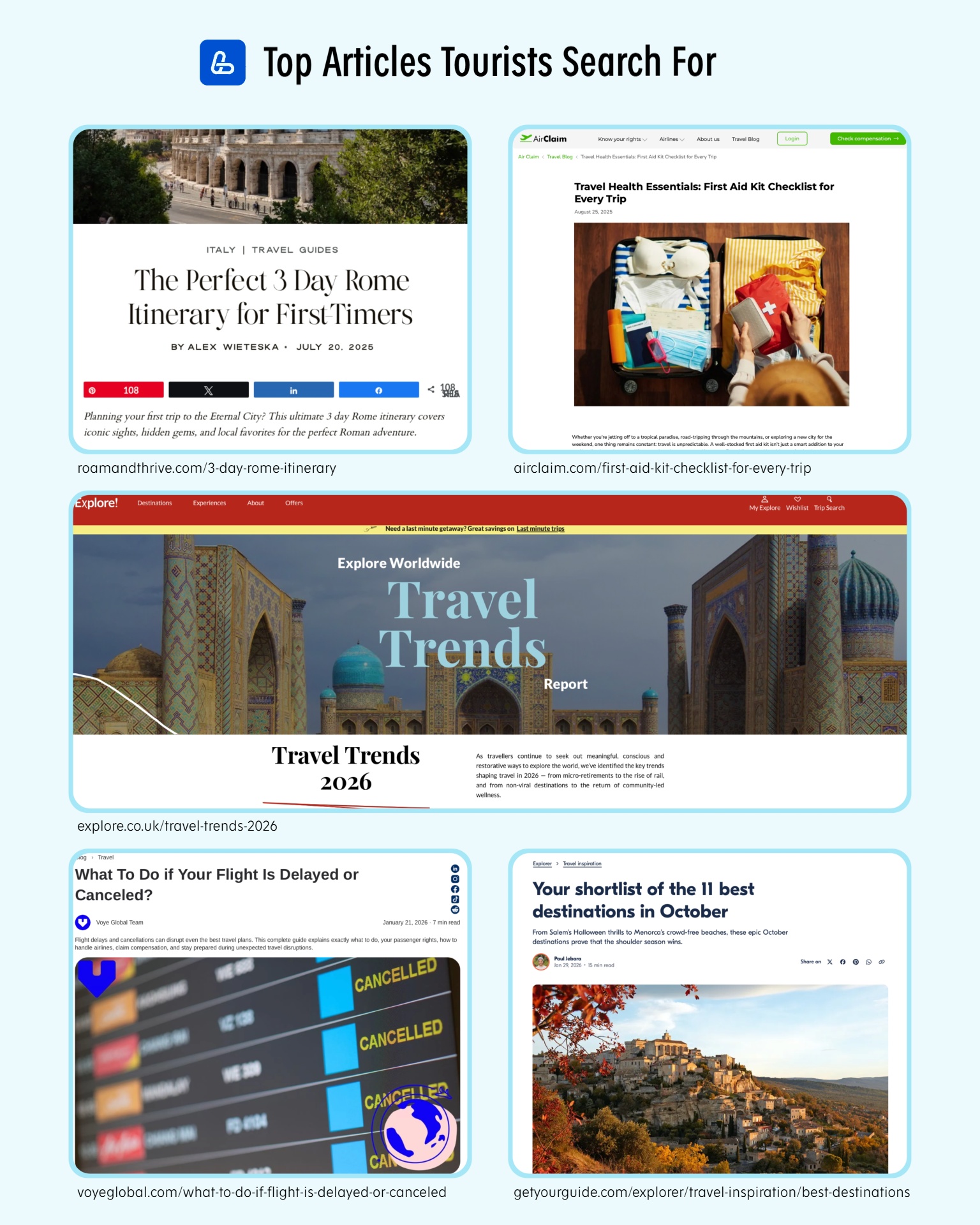
Blog Post Ideas Based on Real Searcher Questions:
- Destination Deep Dives: “The Perfect 3-Day Rome Itinerary for First-Timers.”
- Practical Tips & How-Tos: “Packing a First-Aid Kit for a Family Vacation: A Complete Guide,” “How to Save Money on a European Car Rental.”
- Comparisons & Curated Lists: “Where to Go in October: 10 Warm-Weather Escapes,” “All-Inclusive vs. B&B: Which is Right for You?”
- Insider Hacks: “5 Foolproof Ways to Snag a Last-Minute Deal,” “Flight Delayed? Here’s Exactly What to Do.”
- News & Trends: “New Visa Rules,” “Top Travel Trends for 2026.”
The goal is to become the go-to source, the trusted expert. Every single post should thoroughly answer a specific question someone is typing into Google. That’s how you build lasting trust and earn long-term traffic – the foundation of travel SEO.
More Than Just Words: Optimizing Images, Videos, and Using Schema Markup
Search engines aren’t just reading your text. Optimizing your visuals and using structured data gives you a real edge in the search results.
Quick wins for your media:
- Images:
- Compress, compress, compress. We’ve said it before, but it’s crucial. Huge images kill your speed.
- Name files descriptively. Instead of “IMG_54321.jpg,” use “grand-hotel-tremezzo-lake-como.jpg.”
- Write helpful ALT text. This describes the image for search engines and visually impaired users. Be specific: “Outdoor pool at the Grand Hotel Tremezzo on Lake Como, Italy.”
- Video:
- Host it yourself or on YouTube. Videos (hotel tours, destination highlights) keep people on your page longer, which Google likes.
- Provide a text summary. Add a detailed description, key points, or even a transcript below the video. This gives search engines more context.
Structured Data (Schema Markup) is like adding labels to your content so Google understands it perfectly. For travel, it’s incredibly powerful.
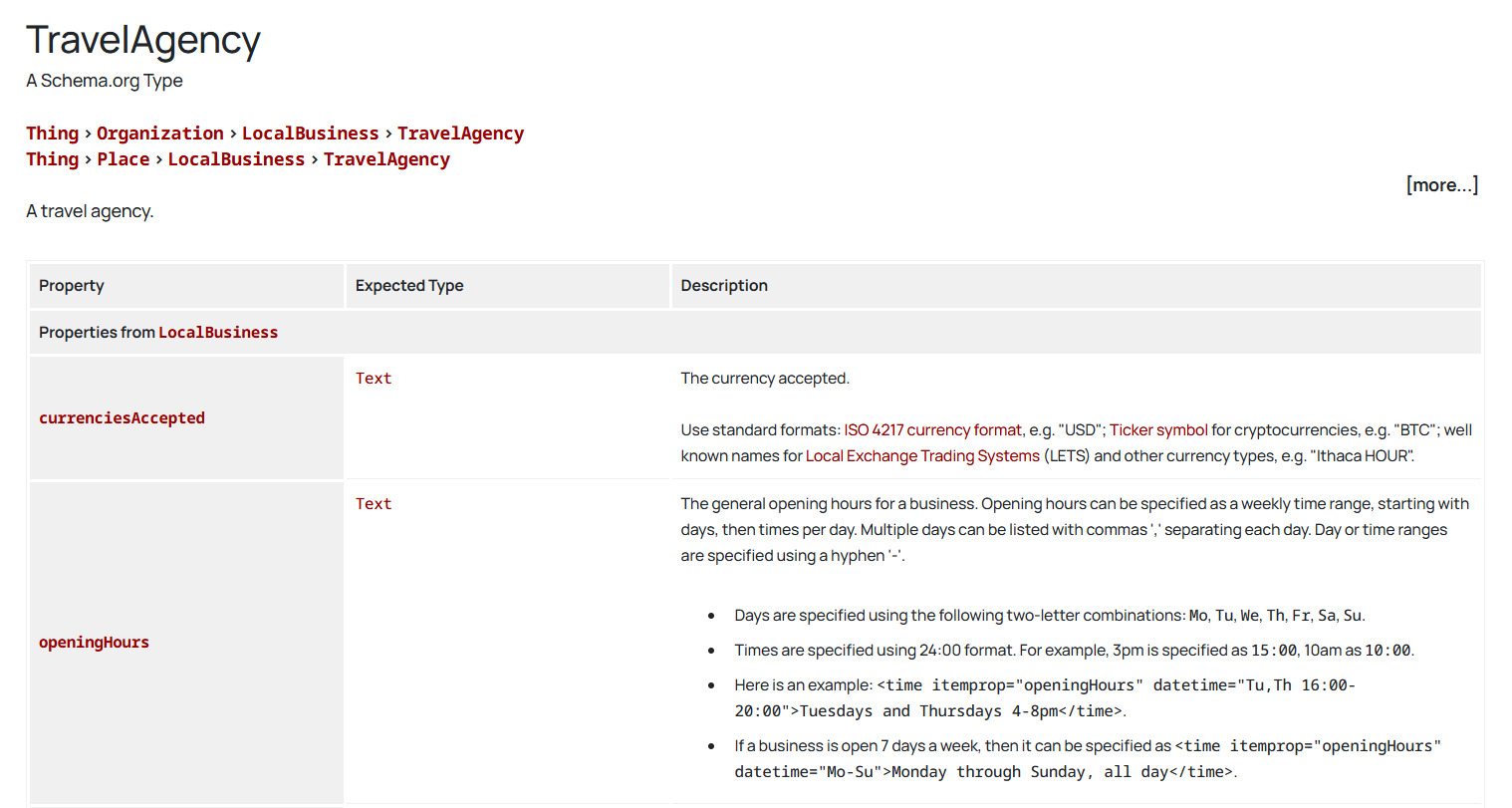
Schema Types to Use:
- Tours and Offers (Product/Offer): Mark up your prices, availability, ratings, and terms.
- Local Business & Travel Agency (LocalBusiness/TravelAgency): Tell Google your name, address, phone number, hours, and service area. Essential for local SEO for travel agencies.
- Reviews (Review): Mark up those glowing client testimonials.
- FAQ (FAQPage): Mark up your frequently asked questions.
The payoff? Rich snippets in search results – listings that can show your star rating, price, even a quick answer to a common question. They stand out and get more clicks.
5 Rules to Turn Your Content into a Booking Machine
Content marketing in travel needs a system. Without one, your blog becomes a random collection of articles. These rules keep everything focused on your business goals.
1. Refresh Seasonal Pages Before Demand Peaks
Travel is all about the calendar. That “Winter Skiing in the Alps” page is dead weight in July.
About two months before a season starts, give your relevant pages a thorough update:
- Check and update all prices and availability.
- Swap in fresh photos and recent reviews.
- Use Google Trends to make sure your keywords are still what people are searching for.
When the season ends, don’t delete those pages! Turn them into evergreen guides or archive them with a note like “Check back for 2026 deals.” This keeps the page’s hard-earned authority intact.
2. Create Content for Every Stage of the Journey
A person dreaming of a beach vacation needs a different kind of content than someone ready to book one.
| Funnel Stage | What They Want | Content That Works | Example Search |
|---|---|---|---|
| Awareness | Inspiration, ideas | Destination guides, “best of” lists, travel stories | “best tropical beaches in the world” |
| Consideration | Compare options | Hotel reviews, destination comparisons, expert guides | “Mexico vs. Dominican Republic for families” |
| Decision | Reassurance | Case studies, detailed testimonials, packing checklists | “is it safe to travel to Egypt right now?” |
| Purchase | A way to book | Clear landing pages with prices, easy booking forms | “book all-inclusive Cancun resort” |
If your blog is full of inspiration but your tour pages are hard to find, the funnel breaks. You’ve inspired them, but they can’t figure out how to buy from you. You need content that covers the whole journey.
3. The “Ultimate Guide + Tours” Combo
This format is pure gold. You write a massive, helpful guide to a destination. You cover everything: getting there, getting around, best time to visit, top things to do, where to eat. Then, naturally and helpfully, you weave in relevant tour packages or links to your bookable itineraries.
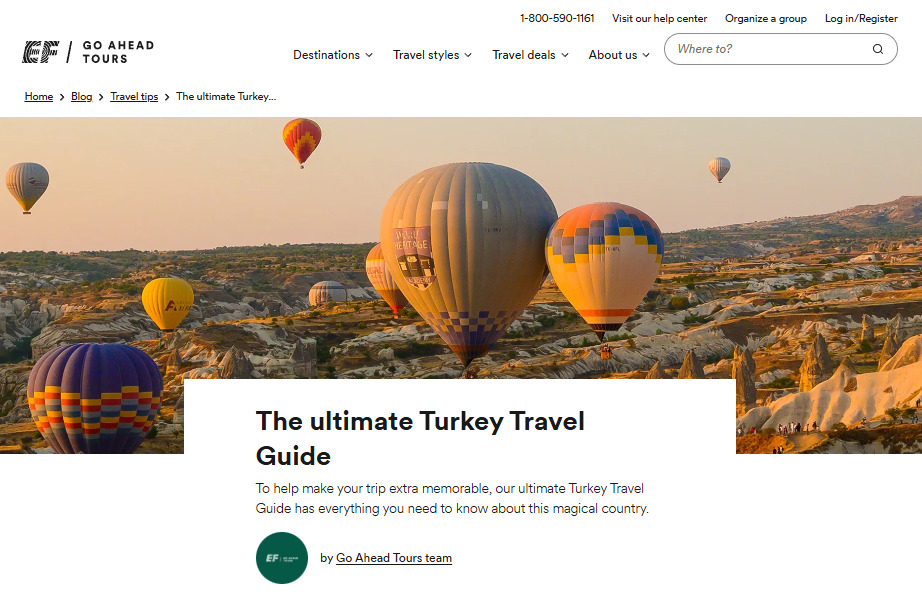
The guide pulls in all the informational traffic. The embedded tours turn those readers into leads. It’s a win-win: the user gets amazing free info, you get the booking.
4. Turn Client Stories into Your Best Content
Real stories from real travelers are far more convincing than any marketing copy you could write. Ask your happy clients to share their photos and a few words about their trip.
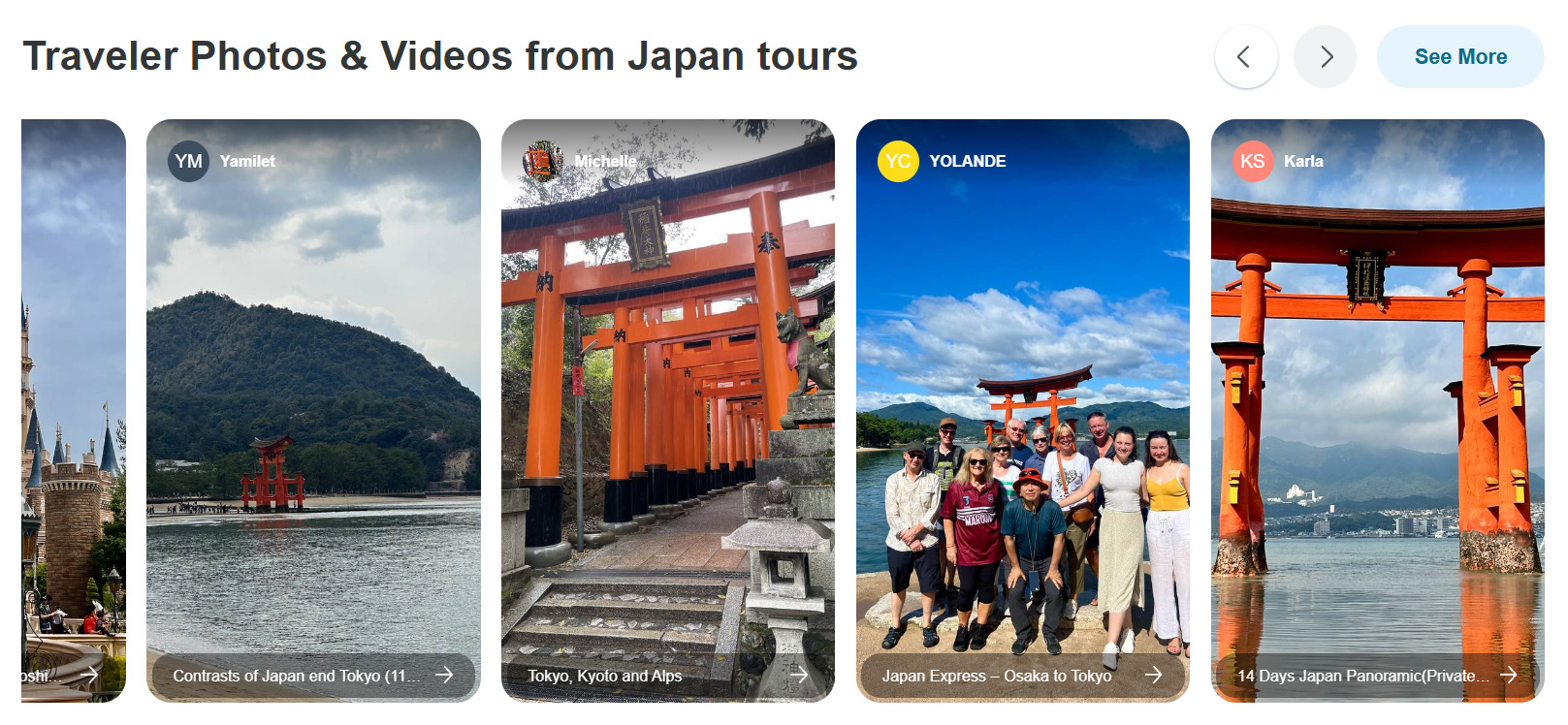
From those stories, you can create:
- A detailed case study for your blog (“How the Smiths Spent 10 Perfect Days in Costa Rica”).
- Engaging social media posts.
- A rotating carousel of quotes on your destination pages.
- A short video interview (if they’re up for it).
These authentic stories build massive trust and are packed with natural keywords for travel agency lead generation SEO.
5. Audit Your Content Regularly
Every few months, take a hard look at how your content is performing. Use Google Analytics to see:
- Which pages are driving the most traffic.
- Which pages have a high bounce rate (meaning they’re probably not matching the searcher’s intent).
- Which pages are actually generating leads (track those form submissions and calls!).
For underperforming pages, don’t be afraid to rewrite, expand, or merge them with similar content. If a page gets zero traffic and serves no real purpose, consider removing it. A clean, focused site performs better than one cluttered with outdated, low-value content. This is how you keep your travel agency SEO strategy lean and effective.
Winning Locally and Building Your Reputation
Lots of people prefer to book their vacations with an agency they can actually visit in their own city. And Google knows this – that’s why search results are often personalized based on where you are.
Local SEO for travel agencies is how you claim that top spot when someone in your neighborhood searches for “travel agency near me.” If you’re not showing up in those local results, you’re invisible to a huge pool of potential clients right on your doorstep.
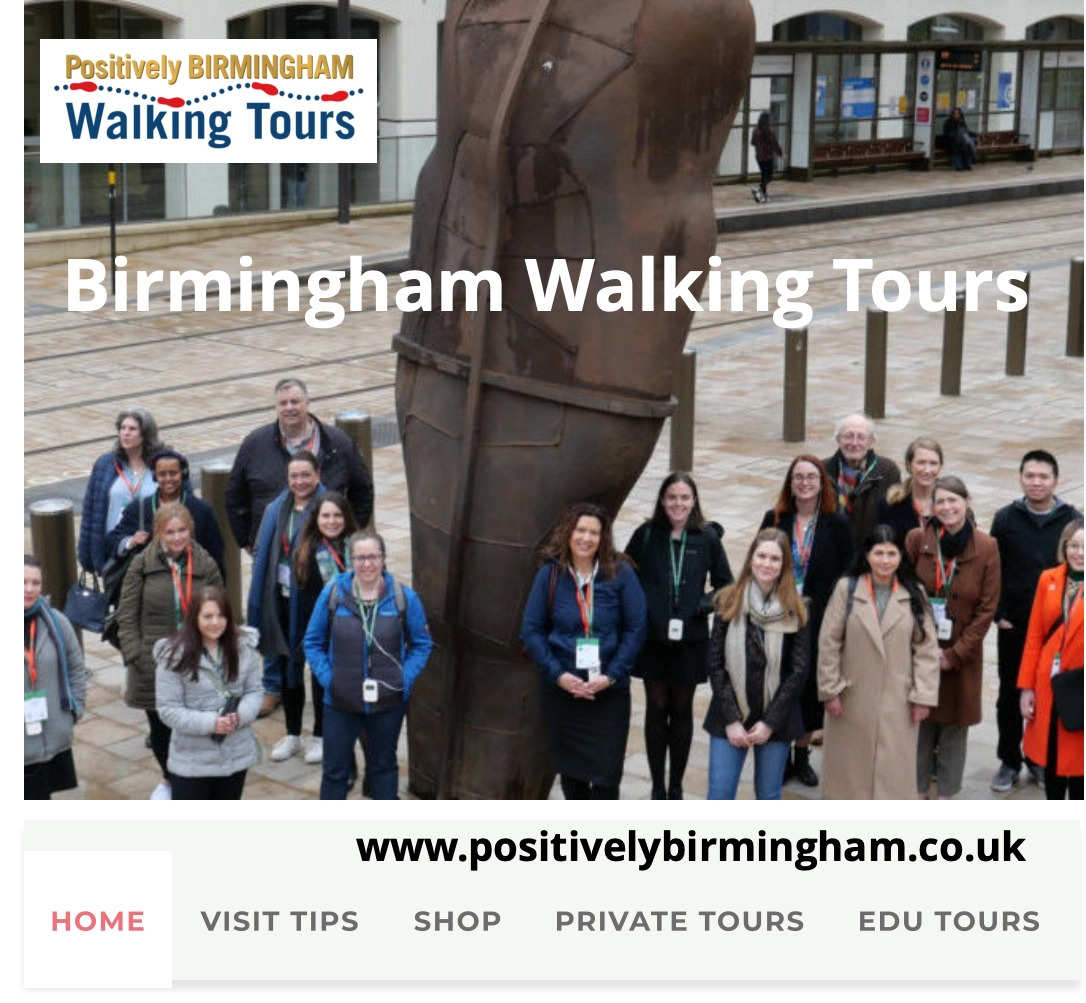
Your Digital Storefront: Mastering Google Business Profile
Google Business Profile (GBP) is the single most important tool for local visibility. It’s your free business listing that appears in Google Maps and the local pack of search results. For any agency with a physical location, it’s absolutely non-negotiable.
The Essentials You Must Fill Out:
- Business Name. Use your real, legal business name. Resist the urge to stuff it with keywords – that’s against Google’s rules and can get you penalized.
- Categories. Your primary category should be “Travel agency” or “Tour operator.” Add relevant secondary categories like “Holiday planner,” “Tour booking service,” or “Adventure travel agency.” Be precise.
- Address and Service Area. Enter your exact office address. If you serve clients from surrounding towns, define your service area clearly.
- Contact Info. Make sure your phone number and website URL match exactly what’s on your site. Consistency builds trust with Google.
- Hours of Operation. Be accurate, and mark holidays or closures. It’s a simple thing that improves user experience.
Going the Extra Mile:
- Post updates regularly. GBP lets you share short updates, special offers, and news. “Last-minute Egypt deals this weekend – 15% off!” These posts appear right in your listing, showing you’re active and engaged.
- Load it up with great photos. Aim for at least 10-20 high-quality images. Show off your office, introduce your friendly staff, share stunning shots from the tours you offer. Profiles with photos get way more views and clicks.
- Own your Q&A section. Add frequently asked questions and answer them yourself. “Do you offer payment plans?” “What’s your cancellation policy?” “Do I need a visa for Thailand?” Answering these upfront saves you time and builds confidence.
- Use attributes. Highlight features like “Wheelchair accessible entrance,” “Accepts credit cards,” or “Free Wi-Fi in office.” These little details can influence a local’s choice.
A fully completed, actively managed Google Business Profile is the bedrock of travel marketing SEO on the local level.
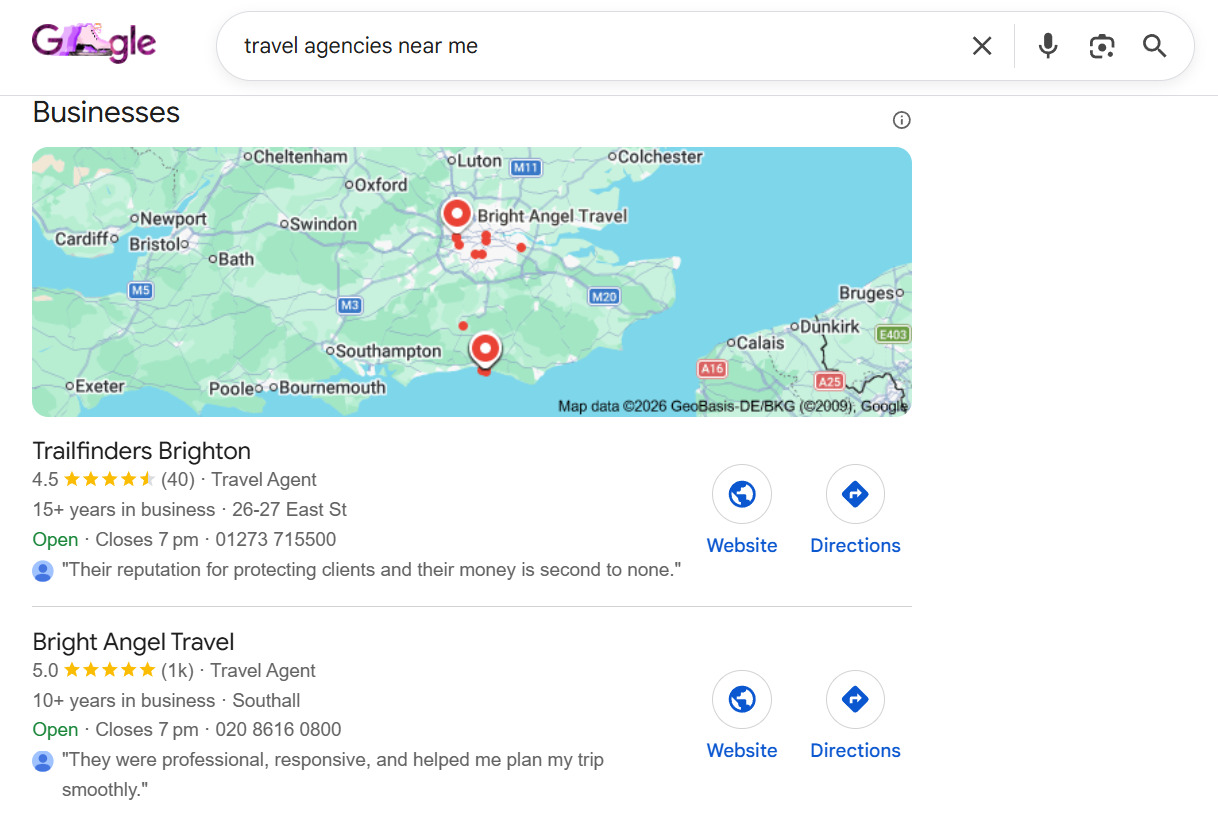
Mastering Online Reviews: Why Your Responses Matter for SEO
Reviews aren’t just for reputation – they’re a ranking factor for local search. The quantity, recency, and sentiment of your reviews directly affect where you show up in the local pack. And of course, people trust them implicitly.
How to Handle Reviews Like a Pro:
- Make it easy to leave a review. After a client returns from a successful trip, send a quick email or text: “We’re so glad you had a great time! Would you mind sharing your experience with others?” Include a direct link to your Google review page. Fresh reviews are a powerful signal.
- Respond to every single one. Thank people warmly for positive reviews. For negative ones, apologize sincerely, show you’re listening, and try to take the conversation offline to resolve the issue. “We’re so sorry to hear that. Could you please contact us at [email/phone] so we can make things right?”
- Speed matters. Google notices how quickly you respond to reviews. Quick responses show you’re attentive and care about customer feedback.
- Weave in keywords naturally. This isn’t about spamming. It’s about being natural. “Thanks for the kind words about your Egypt trip! We’re thrilled you loved the hotel and the guides.” The phrase “Egypt trip” in your response is just one more little signal to Google that you’re relevant to that topic.
Too many agencies ignore their reviews. That’s a huge missed opportunity. Smart reputation management is a key part of SEO tips for travel businesses. It shows potential clients you’re a real, caring company that stands behind its service.
Localize Your Content: Speak Directly to Your Neighbors
Local SEO isn’t just about your Google listing. Your website content should also acknowledge where your clients are coming from. It creates a feeling of familiarity and convenience.
Practical Ways to Localize:
- Build pages for your home city. Don’t just have a generic “Tours to Mexico” page. Create one specifically for “Tours to Mexico from [Your City] with flights from [Nearby Airport].” Mention the convenience of flying from their local airport, and that they can pop into your office to chat.
- Write about local logistics. “Getting to [Major Airport] from [Your City]: Your Best Options.” “Tips for travelers from [Your City]: Parking at the airport, pet sitters, etc.” These articles answer specific, local questions.
- Partner with other local businesses. “10% discount for [Local Gym Name] members!” “Pick up a free travel guide at [Local Coffee Shop].” This builds community ties and can lead to local links.
- Use LocalBusiness schema. Put your address, phone number, and geographic coordinates in structured data on your site. It leaves no doubt for Google.
- Earn links from local sites. Sponsor a local event and get mentioned on the city’s website. Get featured in a local blog roundup of “Best Travel Agents in [Your City].” These local links are powerful signals for local SEO for travel agencies.
Local SEO is a complete package. It’s your profile, your content, your reviews, and your community connections. When someone in your city sees your name everywhere – in search, on maps, in the local news – you become the obvious, trusted choice.
Building Authority: A Smart Link-Building Strategy for Tour Operators
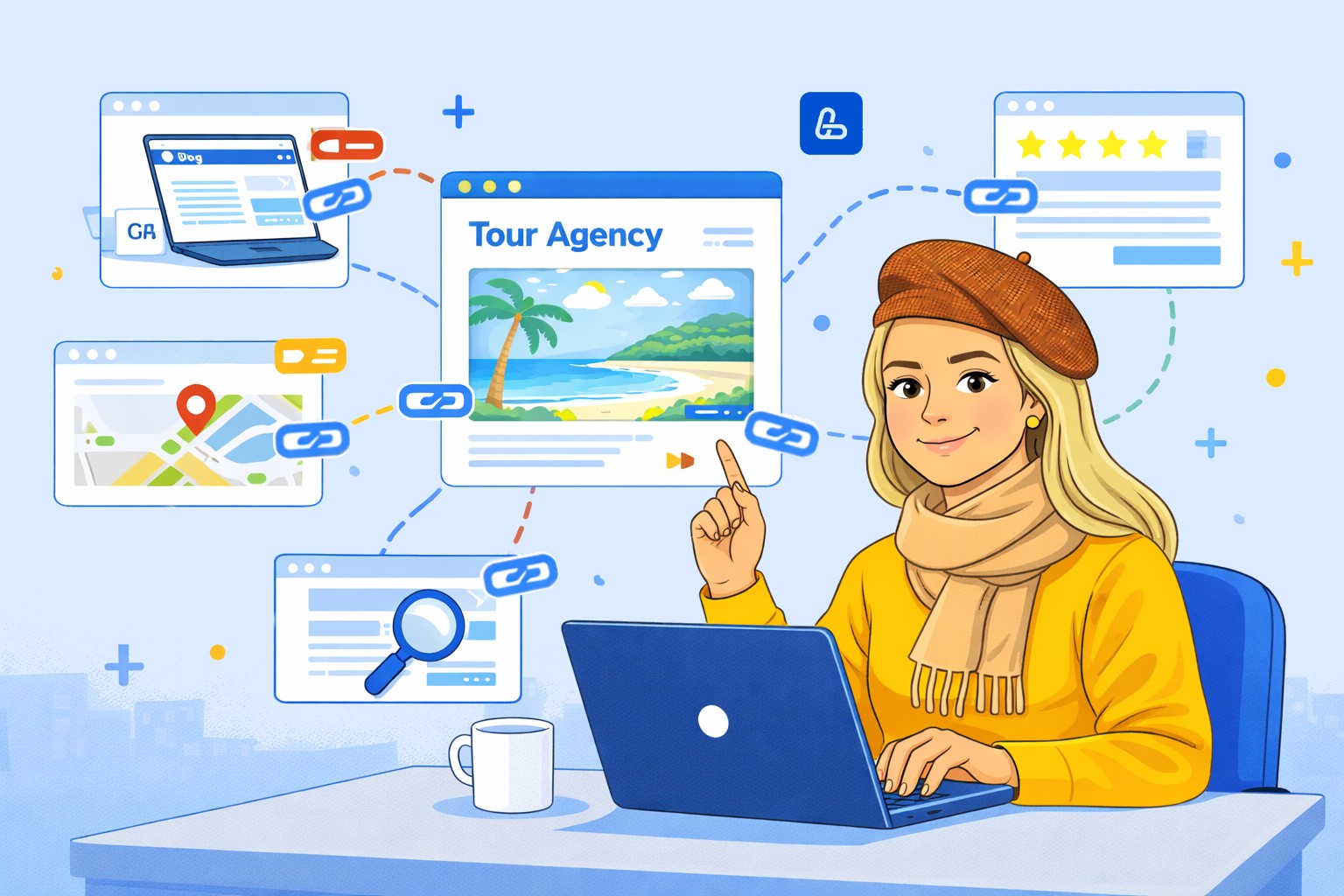
SEO for tour operators requires a solid link profile. You can have the most beautifully designed, technically perfect site in the world, but without quality links pointing to it, you’ll likely be outranked by competitors who’ve invested in building their online authority.
Why Quality Links are Google’s Ultimate Currency of Trust
The old days of “more links = better” are long gone. The era of spamming directories and automatic link schemes is finished. Now, it’s all about quality, relevance, and context. Three things matter most:
- The Referring Site’s Authority. A single link from a major, trusted travel publication or a well-respected industry blog carries infinitely more weight than hundreds of links from obscure, irrelevant directories. Google sees that trusted site vouching for you, and passes some of that trust your way.
- Relevance is Key. A link from a site about hiking gear, frequent flyer programs, or hotel reviews is far more valuable for travel website ranking than a link from, say, a site about construction equipment. Google looks for these thematic connections. If travel-adjacent sites link to you, it confirms you’re part of the travel ecosystem.
- A Natural Anchor Text Mix. In the past, SEOs tried to use the exact keyword they wanted to rank for in every link. Now, that looks manipulative. A healthy link profile is diverse. Some links might use your brand name, others just the URL, others natural phrases like “check out this resource” or “as recommended in this guide.” Too many commercial-sounding anchors is a red flag.
Great backlinks do two things. They improve your search rankings. And they send you real, targeted traffic. If you get a link in a popular travel blogger’s weekly newsletter, people will click it. Those are potential customers, right now.
Natural Link Building for Travel: Guest Posts, Partnerships, Influencers, and Media
The travel world is absolutely packed with opportunities for earning great links. People are passionate about travel, they love sharing tips, and they’re always looking for inspiration. This creates a goldmine of possibilities.
Guest Posting on Industry Sites
Find authoritative travel blogs, airline in-flight magazine websites, or sites for travel insurance companies. Pitch them a truly excellent article idea. Not about your agency – about a destination they care about.
Say you’re a specialist in Italy. Pitch a guest post to a popular Italy travel blog: “Beyond Tuscany: 10 Underrated Towns in Le Marche You Need to Visit.” In the body of the article, you can naturally mention that you offer custom tours in that region. Your author bio at the end includes your agency name and a link to your site.
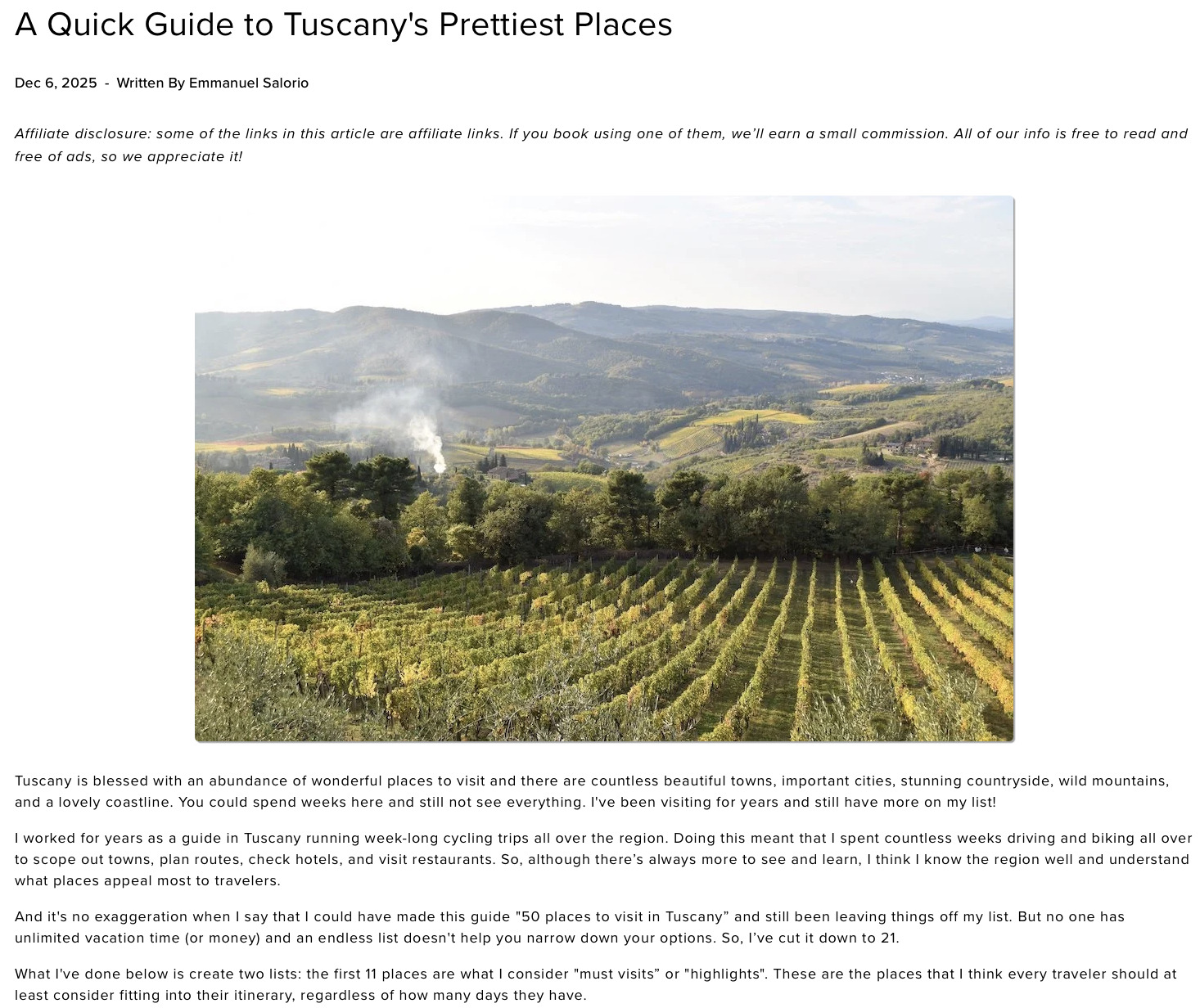
Site editors love this because they get free, high-quality content for their audience. You get a relevant, authoritative link and likely some direct traffic.
Partner with Non-Competing Local Businesses
Team up with hotels, airlines (if you can!), travel insurance providers, language schools, photography studios that offer destination photo shoots, or wedding planners. The possibilities are endless.
Formats:
- Write mutual blog posts recommending each other.
- Create a joint project (“The Ultimate Guide to a Perfect Greek Island Wedding” – you + a wedding planner).
- List each other as “Trusted Partners” on your websites.
Every partnership is a chance for a natural, relevant link.
Work with Travel Influencers and Bloggers
This isn’t always about getting a direct, “dofollow” link. Influencers often use links that Google doesn’t count for ranking purposes. But the value is still huge.
When a popular blogger recommends your agency, even with a “nofollow” link in their Instagram bio or a blog post, it does two things. First, their followers trust them, so you get direct traffic and potential clients. Second, it’s a powerful signal to Google that real people are talking about your brand in relevant places.
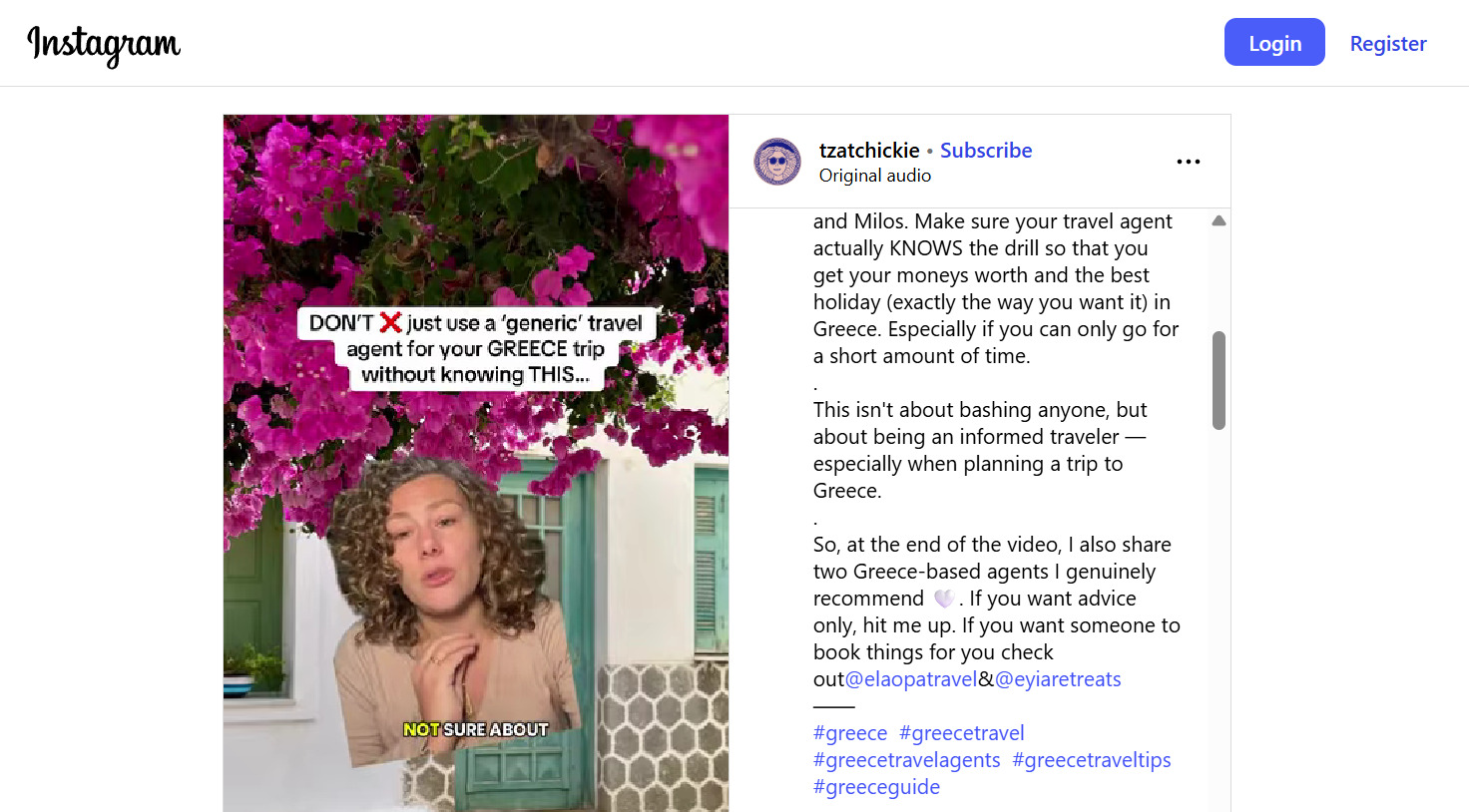
Example: A travel YouTuber posts a video “How I Planned My Dream Trip to Greece” and mentions your agency’s help in the description with a link. Even a “nofollow” link creates buzz and drives real, interested traffic.
Get Featured in Travel Media and Expert Roundups
Major travel publications and blogs often put together lists of experts. “Top Travel Agencies for Adventure Travel” or “Where to Book a Safari.” Getting included in these is a high-authority link goldmine.
Find journalists and writers who cover travel. Follow them on social media. Sign up for HARO (Help a Reporter Out). When they need an expert quote for a story, be ready to help. One thoughtful quote in an article on a site like Forbes Travel or Skift can be a link that pays dividends for years.

Smart Participation on Forums and Q&A Sites
Think travel forums, Reddit communities (like r/travel), Quora questions. People are constantly asking for recommendations: “Can anyone recommend a reliable agency for a trip to Japan?” “Where’s the best place to book a budget tour to Iceland?”
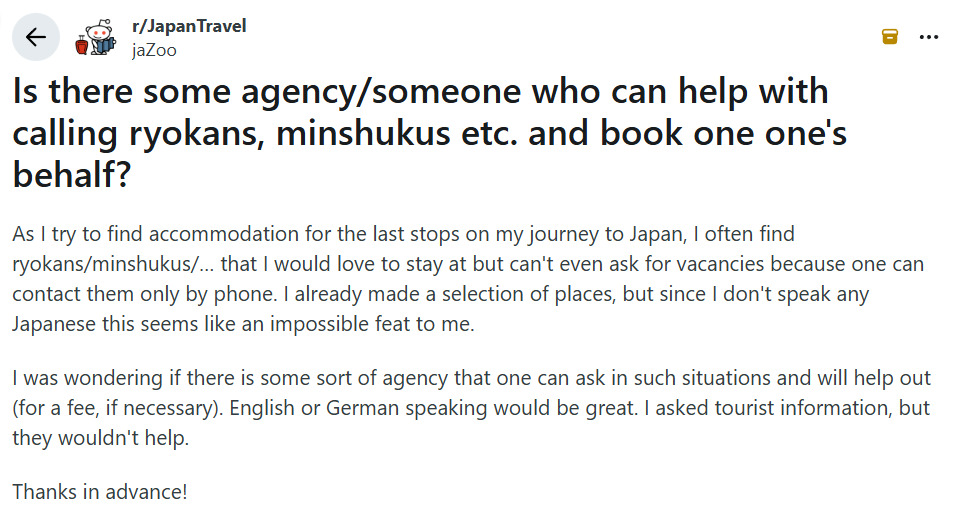
Provide genuinely helpful, expert answers. Don’t just drop your link and run. If you’re consistently useful, people will click your profile and find your site. These are natural, high-intent links. The key is to be a helpful member of the community, not a spammer.
Local Citations and Community Links
If you serve a specific city or region, get listed on local business directories, chamber of commerce sites, and local event pages. If you sponsor a little league team or a charity run, make sure your website is mentioned on their “sponsors” page. These local links are strong signals for your local SEO efforts.
Systematically working on these areas builds a rich, diverse, and completely natural-looking link profile. Google sees that you’re being talked about in many different, relevant contexts: as an expert, a partner, a community member. That’s real, earned authority.
Build a “Linkable Asset”: Create Content So Good, People Link to It Willingly
There are two ways to get links. The first is the active way – you reach out, ask, negotiate, and persuade. It works, but it takes time and effort. The second is the passive way – you create something so valuable on your own site that other people naturally want to link to it. That’s a linkable asset.
The travel niche is perfect for this. People are always hungry for useful, well-researched information. Here are a few formats that work like magic.
Original Data and Research
Compile your own data on travel trends. Which destinations are your hottest sellers this year? What’s the average budget for a family trip to Europe? How has demand for certain types of vacations changed?
Journalists and bloggers love to cite hard data. Publish a report: “2025 Travel Trends: Where [Your City]’s Travelers Went.” Local news sites, industry blogs, and travel writers will happily link to your data as their source.
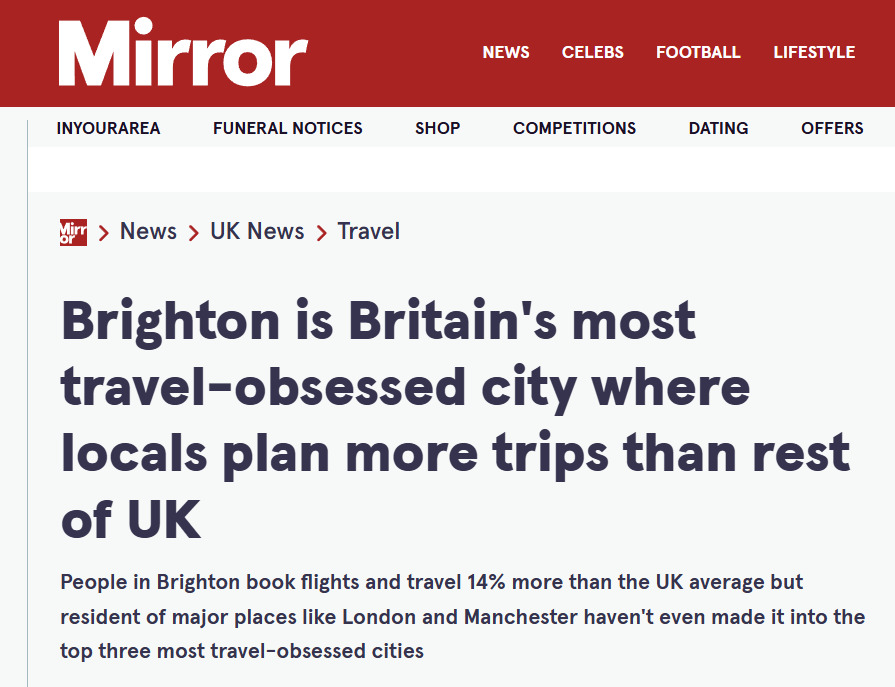
Key: Be honest. Don’t make up numbers. Use anonymized data from your own bookings to show real trends.
Beautiful Maps and Visualizations
People love sharing visual content. Create an interactive map of the best wineries in Napa Valley. Design a stunning infographic showing the best time to visit 50 different destinations. Make a map of hidden hiking trails in the Alps.
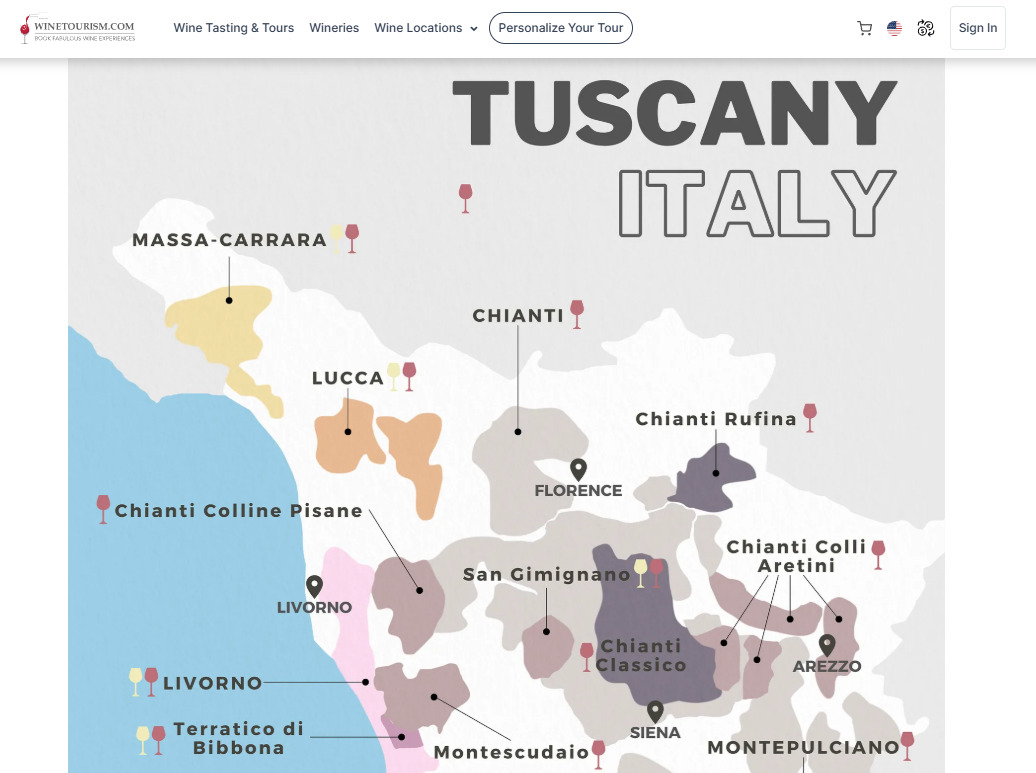
These are incredibly easy for other sites to embed in their own articles. A blogger writes about “Planning a Wine Tour in California” and embeds your map with a caption linking back to you. That’s a perfect, natural link.
In-Depth, Free Guides and Checklists
Create a downloadable PDF: “The Ultimate Packing Checklist for a Safari.” Or “A Beginner’s Guide to Planning a Trip to Japan: 10 Essential Steps.” Put it on your site, make it freely downloadable, and encourage people to share it (with attribution).
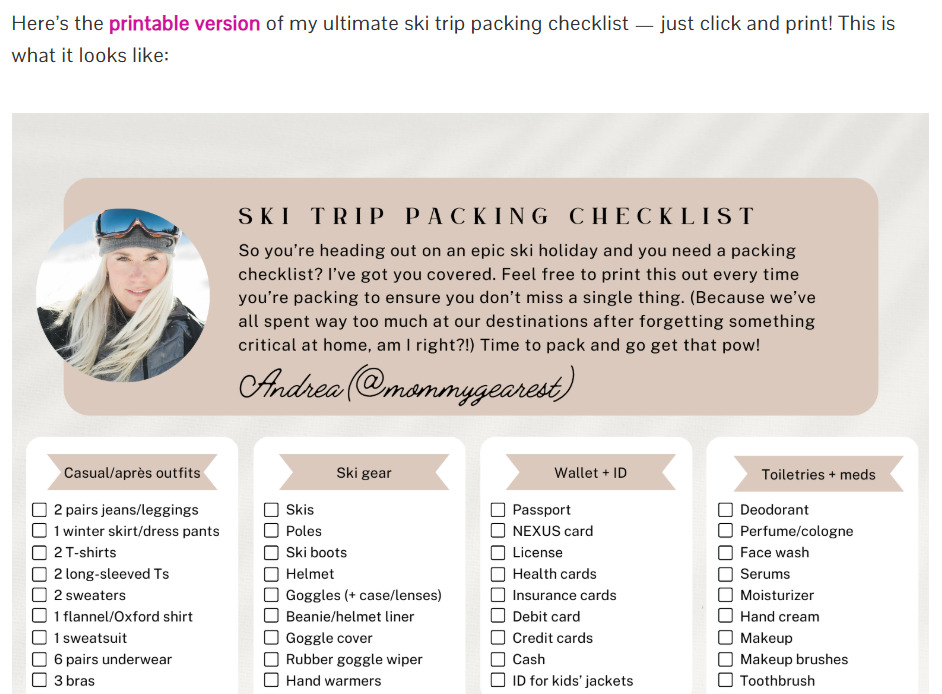
These resources get passed around forums, shared in Facebook groups, and linked to from blogs. Every share and mention is a link or brand mention, both of which are great for travel website ranking.
Handy Calculators and Planning Tools
Build a simple tool that solves a common travel problem. A fuel cost calculator for road trips. A time zone converter for planning calls home. A “what to pack” generator based on destination and time of year.
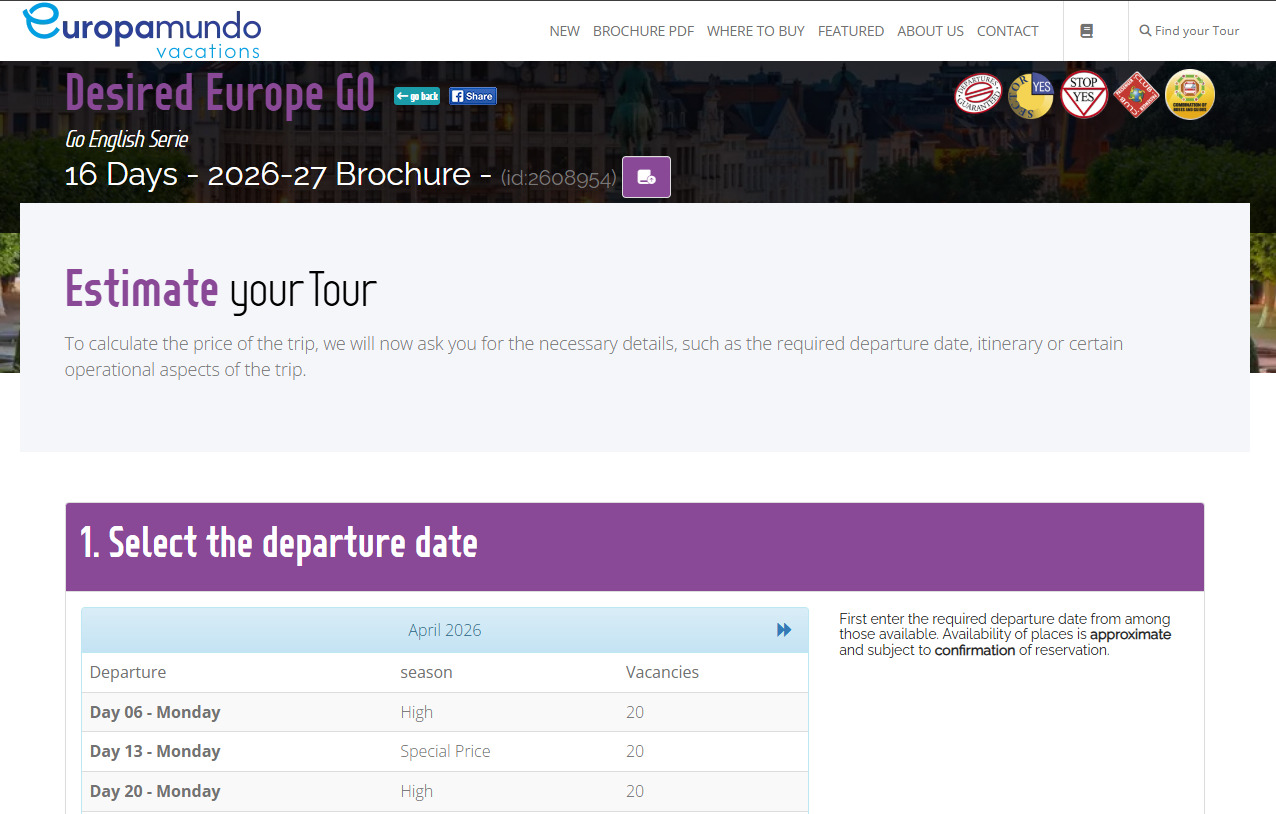
These pages get linked to constantly. They’re added to “best travel tools” lists on blogs and resource pages. Each link is a vote of confidence in your site’s usefulness.
How to Find Sites for Your Outreach
Manually hunting for good sites to target for guest posts or link requests takes forever. You have to research competitors, check traffic, assess authority, and hunt down contact info. In travel, there are literally hundreds of potential targets.
The process gets a whole lot easier when you have access to a curated database. LinkBuilder.com platform has over 300,000 sites that are open to publishing expert content. We’ve already done the hard part: we’ve filtered out the low-quality sites, checked their metrics, and confirmed their relevance.
Here’s how it works:
- You tell us what you need: location, topic (travel, of course!), and how authoritative you want the referring site to be.
- Our platform shows you a list of matching sites, complete with traffic data, Domain Rating, and relevance scores.
- You pick the sites you like. Our tool even shows you which marketplaces (like Collaborator, PRNews, or Serpzilla) sell placements on those sites.
- Then it’s simple: head to that marketplace, connect with the seller, and place your order.
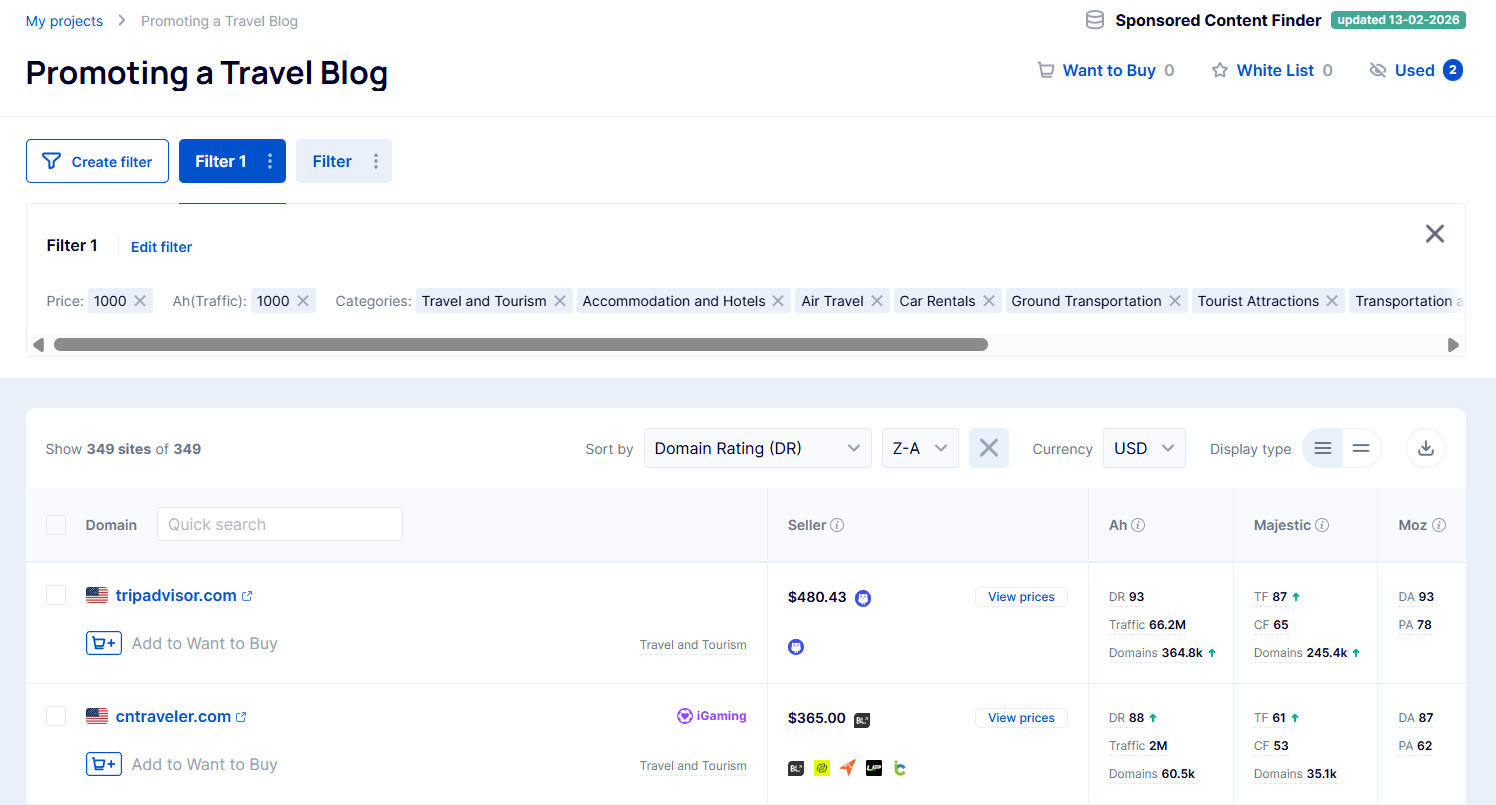
We’ve laid out the whole process in our guide, “How to Find Niche Websites for a Specific Country.”
If you’d rather not spend your own time on research and outreach, let us handle it.
LinkBuilder.com specializes in link building for the travel industry. We know the landscape. We know which sites actually deliver results, where your competitors are getting their links, and what kind of content those sites want. We manage the whole process – outreach, negotiations, content coordination, and publication monitoring. You get high-quality, authoritative links without lifting a finger, saving you dozens of hours.
Contact us – let’s talk about your travel SEO strategies and how we can help you dominate the search results.
Measuring What Matters: From Traffic to Bookings – Setting Up Your Analytics
Good analytics turns SEO from a guessing game into a clear, manageable business process. A properly set-up system answers the three most important questions: how many people visited, how many became customers, and how much revenue did that generate?
Setting Up Goals in Google Analytics 4: Tracking Leads and Bookings
Google Analytics 4 (GA4) is the standard for website analytics. But just installing the tracking code isn’t enough. You have to tell it what actions are important to your business.
Here are the key events you should be tracking from day one:
- Form Submissions. Any form, whether it’s “Book This Tour,” “Request a Quote,” “Contact Us,” or “Get a Custom Itinerary.”
- Phone Number Clicks. On mobile, lots of people will call immediately rather than fill out a form. Track those clicks as a conversion.
- Clicks to Messaging Apps. Many clients prefer to reach out via WhatsApp or Facebook Messenger. Track those clicks too.
- Completed Bookings. If someone completes an online booking or payment, that’s your most important goal right there.
- Key Page Views. Viewing your contact page, your office hours, or a “thank you” page after a booking are all strong signals of interest.
Mark each of these events as a “conversion” in GA4. These are the metrics that should be front and center in your reports.
This is how how to get bookings with SEO becomes a measurable reality. You can see exactly which keywords and which pages are driving the people who actually fill out forms and book tours, not just the ones who browse for a few seconds and leave.
Monitoring Your Performance: Google Search Console and SEO Dashboards
Google Search Console (GSC) is your direct line to Google. It shows you exactly how your site appears in search results. Check it at least weekly.
What to look for in GSC:
- Your Top Queries. Which search terms are people using to find your site? How many impressions (views) are you getting? How many clicks? What’s your average position?
- Your Click-Through Rate (CTR). Of the people who see your listing, what percentage actually click? A low CTR on a high-ranking page means your title and description aren’t compelling enough – time to rewrite them.
- Indexing Issues. Are all your important pages being found and added to Google’s index? Are there any crawl errors preventing Google from accessing your content?
- Mobile Usability. GSC will flag any problems with how your site displays on phones and tablets.
For deeper, more detailed tracking, use a tool like Ahrefs or Semrush. Set up projects to track your rankings for your most important keywords week over week. Watch what your competitors are doing. See which of their pages are gaining ground.
Proving Your Worth: Calculating SEO’s Return on Investment (ROI)
This is the million-dollar question: how much money did our SEO efforts actually bring in? Without a clear answer, SEO can feel like a cost center rather than a profit driver.
Here’s a simple way to calculate ROI for your agency:
- Estimate revenue from organic traffic. This is the tricky part. If you have e-commerce bookings, you can directly attribute sales. If not, you’ll need to estimate. Track how many leads (form fills, calls) came from organic traffic, and multiply that by your average conversion rate and average booking value.
- Total your SEO costs. This includes anything you spend on SEO specialists, tools, content creation, and link building.
- Do the math. (Revenue from SEO – Cost of SEO) / Cost of SEO * 100% = Your ROI percentage.
Attribution is rarely perfect. A client might find you through a blog post, leave, and come back a month later by typing your URL directly to book. In that case, SEO was the crucial first touch, even if the final conversion was “direct.” Use your analytics tools to look at assisted conversions, not just last-click data.
Make it a habit to compile a simple, one-page SEO report every month. Show the key metrics, the trends (are things going up or down?), your main takeaways, and your plan for the next month. When you can show clear, transparent data, no one will ever ask, “Why are we doing this SEO stuff again?”
Choosing the Right Partner for Your Travel Agency’s SEO

SEO is complex. It takes time, specialized knowledge, and consistent effort. At some point, every travel agency owner faces the decision: hire an in-house person, try to learn it myself, or bring in an agency.
When It’s Time to Call in the Pros
A few clear signs suggest it’s time to stop going it alone and find an experienced partner.
- Your site has been live for over a year, but organic traffic is a trickle. You’re publishing blog posts, but no one’s reading them. Your rankings for important commercial terms are stuck on page 3.
- You’re spending a small fortune on Google Ads every month. The cost per lead keeps climbing as competitors bid up the same keywords. You desperately need another traffic source to reduce your dependence on paid ads.
- No one on your team really understands the technical side of SEO. Your salespeople are brilliant at selling tours, but they don’t know what canonical tags are or how to check if a page is being indexed.
- You’ve tried working with SEOs before, but the results were temporary. They’d do some work, rankings would bump up, then they’d leave and everything would slide back. You need a partner who will build a sustainable system, not just deliver a one-time fix.
- Your competitors consistently outrank you for your most important keywords, and you have no idea why or how to catch up.
If two or more of these sound familiar, it’s probably time to hand the reins to a specialized team.
Spotting the Good from the Bad: Red Flags and Green Flags in SEO Partners
The SEO world is full of promises. Some guarantee #1 rankings in a month. Others promise thousands of clicks for a hundred keywords. It’s easy to get sold a dream. Here’s how to tell the professionals from the pretenders.
Red Flags – Run the other way:
- They guarantee a specific #1 ranking. No one can guarantee this. Google’s algorithm changes constantly. Any agency that promises a specific position is lying.
- They propose targeting hundreds of keywords in a single campaign. A focused strategy works. A good plan might target 30-50 priority terms, and let long-tail fill in the rest. A huge, unfocused list is a way to make the work look impressive without actually doing anything strategic.
- They don’t ask about your business. If they show up with a pre-made package without asking about your destinations, your ideal client, your seasonality, or your goals, walk away. SEO without business context is useless.
- They promise fast results. Travel is competitive. Real, sustainable SEO takes months. Anyone promising an “instant flood of clients” is selling a fantasy.
Green Flags – Signs of a great partner:
- They start with a deep-dive audit. Before they even give you a price, they want to understand your site, your competitors, and your current situation inside and out.
- They’re honest about timelines. They’ll tell you that in travel, you might see initial movements in 4-6 months, and significant growth in 9-12 months. They don’t promise overnight miracles.
- They propose a strategy, not a list of services. They don’t just say “we’ll do meta tags and build links.” They say, “First, we’ll fix your technical foundations. Then we’ll build a comprehensive keyword list. Then we’ll create content and start a link-building campaign in parallel.”
- They care about your brand. They’ll want to build visibility for your company name, not just for generic terms like “tours to Italy.”
- They give you full access. They’ll share access to Google Analytics, Search Console, and any other tools they use. You can see the data for yourself, anytime. No secrets.
Why LinkBuilder.com is the Right Choice for Travel Agencies
We live and breathe link building. It’s all we do. That means we see the market shift in real-time. We know which sites provide genuine, lasting value and which are a waste of money.
We won’t promise you the moon in two weeks. We’ll promise you systematic, high-quality work that will deliver results in 4-6 months and keep compounding from there.
Here’s exactly what you get when you work with us:
- Access to a massive, vetted database of travel-relevant sites. We’ve spent years building a catalog of sites that matter in the travel world. Travel magazines, influential blogs, industry portals, local guides – we’ve vetted them all.
- Complete transparency. You will know exactly which sites your links are on. We provide direct URLs to every published piece. You can visit them, see the context, and judge the quality for yourself.
- We understand your industry. We know about seasonality. We know the difference between promoting adventure tours in Patagonia and luxury cruises in the Mediterranean. We tailor our approach to your specific destinations and target audience.
- We save you an enormous amount of time. You don’t have to research sites, find editor emails, negotiate prices, or chase people for publication dates. You tell us your goals, and we handle the entire process.
Travel agency online visibility simply cannot happen without a strong link profile. You can have the best content in the world, but without authoritative sites vouching for you, you’ll struggle to outrank competitors who have invested in links. If you want a steady stream of high-quality, relevant backlinks without the headache of doing it yourself, get in touch with LinkBuilder.com. We’ll build a custom strategy for your destinations and your budget.