 Link building
 Guest Posting
 Niche edits
 Profile backlinks
 Crowd links
 Submission links
 Contextual Backlinks
 White-label link building
 PBN Building
 Haro links
 Digital PR
 SEO
SEO
 SEO copywriting
 Google Indexing
 Quora links
 Add to catalogs
 AI SEO
 Reddit
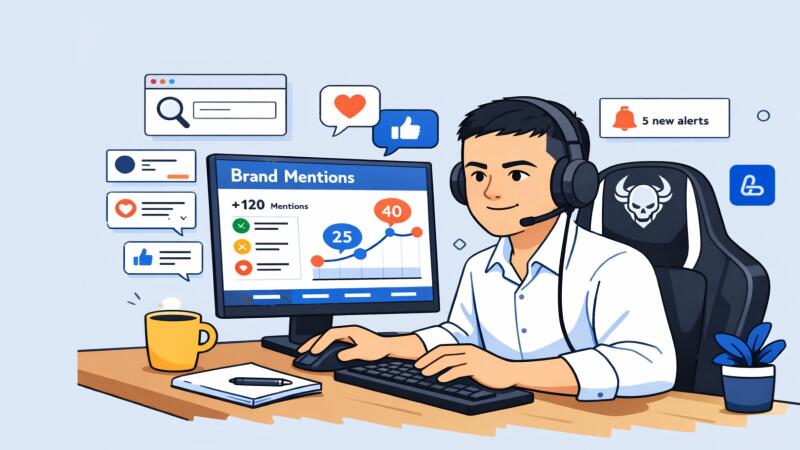
Links alone no longer guarantee success. Search engines are looking at the bigger picture – they evaluate your entire online presence. They pay attention to where and how often you’re talked about to understand who you are and whether you’re trustworthy.
This article will show you how brand mentions work and how to turn them into one of the most powerful tools for growth. You’ll learn about the brand mentions impact on SEO, why even unlinked mentions are valuable, and how to approach this systematically for the best results.
What Are Brand Mentions, and Why Do They Matter More Than You Think?
A brand mention is any instance where your company, product, or service name appears online. It could be a review, a social post, an article, or even just a passing comment in a forum discussion.
For businesses, this is more than just chatter. When people talk about you – especially on authoritative platforms – it sends strong signals to search engines. These signals help Google and others build a profile of your brand’s “entity.” They use this to figure out what you do, how credible you are in your field, and how much trust you’ve earned. This directly affects your brand mentions search visibility and brand mentions website authority.
A Simple Explanation: How Brands Get Mentioned Online
Mentions happen naturally whenever your brand interacts with the world. Here are some of the most common ways:
- Organically from customers. A happy customer writes a review, recommends your product to a friend, or asks a question on a forum using your name. Even if you never see it, those brand mentions are already working for you.
- Through content marketing and PR. You publish research, provide an expert quote for a news article, or an influencer reviews your product. All of this generates brand mentions.
- On social media. A tag in someone’s story, a post with your hashtag, or a conversation in the comments – these are all brand mentions social media that shape how people see you.
Often, companies miss most of these mentions, especially the ones without links. That’s why the first step is to understand how common they are and start how to track brand mentions.
The Main Types of Brand Mentions
Not all mentions are created equal. Their value and how they work differ. Here’s the basic breakdown:
| Type of Mention | Description | Key Value |
|---|---|---|
| Linked Mentions | Your brand name is mentioned and is a clickable link to your site. | Direct referral traffic and traditional SEO “juice” (link equity). The strongest signal for ranking. |
| Unlinked Mentions | Your brand is mentioned in text, but there’s no hyperlink. | Builds awareness, acts as a brand mentions trust signal for search engines, and can drive direct traffic. |
| Contextual & Implicit Mentions | A mention that doesn’t use your exact name (e.g., a slogan, founder’s name, or “that blue app for delivery”). | Shows deep brand mentions engagement – that you’re part of the audience’s everyday vocabulary. Hard to track, but great for brand mentions reputation. |
Brand Mentions vs. Links: Key Differences and SEO Impact
To build a smart strategy, you need to know how mentions differ from traditional backlinks.
- Different Main Jobs:
- A Link is mainly a technical tool for ranking. Its job is to pass link equity from one page to another, boosting search positions.
- A Brand Mention is a signal of popularity and trust. Its job is to build your digital reputation and make people aware of you, giving search engines context to judge your importance.
- Different Ways to Drive Traffic:
- A Link sends direct referral traffic. Someone clicks and goes straight to your site.
- A Brand Mention drives traffic indirectly. It makes more people aware of you, so they start searching for your name.
- Different Roles in Search Algorithms:
- Links have been a core part of Google’s ranking (via PageRank) since the beginning.
- Brand Mentions are now crucial for modern, AI-driven search. They’re key signals for judging your E-E-A-T (Experience, Expertise, Authoritativeness, Trustworthiness) and understanding your brand’s identity.
- Different Levels of Control:
- Links can be built systematically through link building. You have direct influence.
- Brand Mentions happen more organically. You can encourage them, but you can’t fully control them – especially user-generated brand mentions social media.
- Different Ties to Reputation:
- A bad link from a spam site mostly hurts your site’s technical SEO health.
- A negative brand mention directly damages brand mentions reputation and customer trust. Handling these is a core part of brand mentions brand management.
Don’t pick one over the other. Use both. Links give you a quick technical boost. Mentions build long-term brand mentions trust and lasting visibility. Together, they’re the foundation of a modern strategy where brand mentions SEO optimization is essential.
Where and How Brands Are Mentioned Online
Don’t assume all important mentions happen on your own website or social pages. They’re scattered all over the internet. To find and use them well, you need to know where to look.
Each type of platform has its own audience, style, and value. Some boost your brand mentions SEO impact through their authority, others shape public opinion, and some can send targeted traffic your way.
Publications and Editorial Content
This is the most authoritative layer. Mentions here act like a seal of approval, strengthening your brand mentions website authority for both users and search engines.
Media, Blogs, and News Sites
This is where you find the mentions that really help your reputation. Journalists, experts, and editors mention brands in news stories, analysis pieces, interviews, or market reports.
- What they look like: “According to [Company Name], the market grew by 15%,” or “Expert [Name] from [Company Name] commented on the new regulations.”

- Why they matter: A mention in a trusted publication is a powerful brand mentions trust signal. Even unlinked brand mentions here seriously boost your credibility. Search engines know and respect these sources.
- The key point: These mentions usually aren’t accidental. They come from PR work or positioning yourself as an expert – part of a solid brand mentions PR strategy.
Reviews, Ratings, and Comparisons
These directly influence buying decisions. Potential customers actively look for this content to compare options.
- What they look like: “CRM Comparison: [Your Product] vs. [Competitor’s Product],” “Top 5 Email Marketing Services,” or a detailed product review.
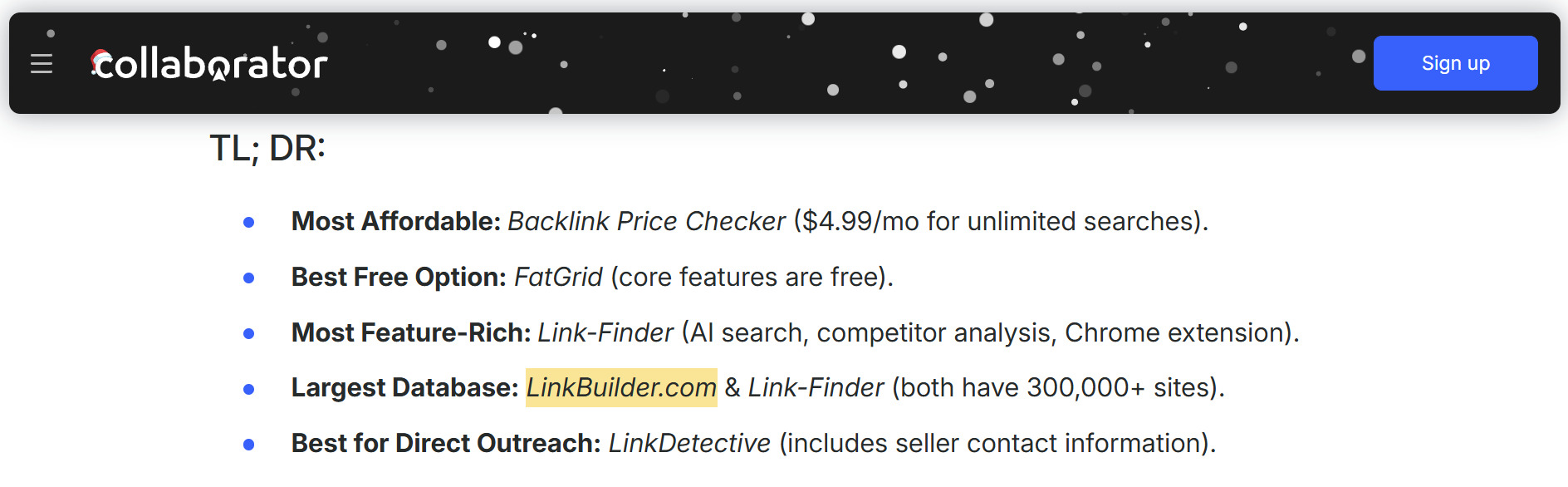
- Why they matter: It’s not just about being mentioned – it’s about the context and your ranking. Being included in a “top” list marks you as a leader. This directly leads to more brand mentions traffic and brand mentions conversions, as readers often click through to learn more or buy.
- The key point: Even if a review has no link, just being featured is hugely valuable. You can often turn it into a link later by politely asking the author to add one for their readers’ convenience.
Forums, Comments, and Expert Discussions
This is the home of “word of mouth” and genuine advice. The opinions here are unfiltered and incredibly influential.
- What they look like: “Can anyone recommend a good e-commerce host?” – “I’ve used [Hosting Name] for years, their support is fantastic.” Or a niche forum thread where someone recommends your tool as a solution.
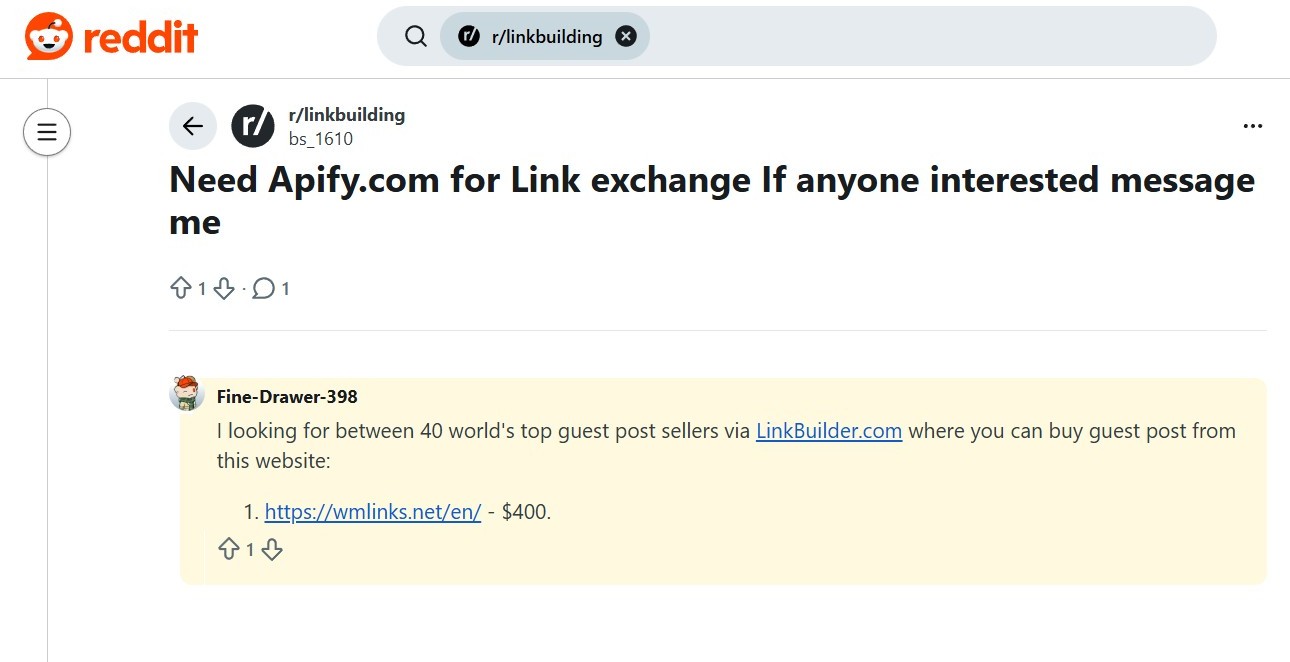
- Why they matter: A recommendation from a real person in a community carries immense brand mentions trust. Google’s algorithms also scan places like Reddit and specialized forums to gauge public opinion. Mentions here are pure indicators of real brand mentions engagement.
- The key point: These mentions are the hardest to find but are goldmines for understanding what people really think about your product. They’re also great inspiration for brand mentions content marketing.
Next, let’s look at the massive world of social media, where brand mentions online happen in real-time and shape the modern brand mentions SEO impact.
Social Media as a Source of Trust Signals
Social networks are where live conversations about brands happen. Public opinion forms here, and every mention acts as a tiny signal of trust or doubt to a wide audience. Brand mentions social media are valuable data, not just noise.
Where People Talk About Brands
The platform depends on your audience and brand:
- X (Twitter): Mentions here are often public reactions or direct messages to companies. Great for spotting trends and handling issues quickly.
- Instagram & TikTok: Visual platforms where mentions happen through tags, user-generated content, and hashtags. This is where influencers and emotional connections thrive.
- Facebook: Discussions in groups, reviews on Pages, and friends recommending to friends. The audience can be older, and conversations more in-depth.
- LinkedIn: The professional network. Mentions here are about B2B services, expert insights, and company news – great for business reputation.
- YouTube: While it’s for video, the comments section under reviews and tutorials is a powerhouse of opinion. Unlinked brand mentions here can reach thousands.
Hashtags, Tags, and User-Generated Content (UGC)
These are the main ways mentions happen on social media. They organize the conversation.
- Hashtags (#yourbrand) create a public feed of everything related to you. Perfect for running campaigns and finding UGC.
- Tags (@yourbrand) are direct mentions that notify you and the platform’s algorithms. Used for reposts, collabs, and customer service.
- User-Generated Content (UGC) is the ultimate win. When a customer voluntarily posts a review or a photo with your product, it’s more powerful than any ad. This skyrockets brand mentions trust and brand mentions engagement.
How Social Signals Affect SEO
There’s no direct “social media ranking factor.” Google doesn’t rank sites based on likes. But the influence is real and complex:
- Indirect ranking boost. Social media drives traffic. A viral post can send a surge of visitors to your site. If those visitors stay and explore, it sends positive “user experience” signals to Google.
- Faster indexing. Links shared on active social profiles can be discovered and crawled by search bots more quickly.
- Amplifies brand signals. When people talk about you on social media, more people become aware of you. This leads to more people searching for your brand name – a very strong signal for brand mentions search visibility.
- Reputation in the SERPs. Google sometimes shows social media posts or reviews directly in search results. A positive, active social presence improves this picture.
In short, social media doesn’t replace SEO; it supercharges it by building the buzz and trust that search engines notice.
Video, Podcasts, and Other Formats
Mentions aren’t just text. Audio and video are incredibly engaging.
- YouTube & Vlogs: Reviews, unboxings, integrations in videos. A mention here isn’t just a link in the description – it’s a powerful verbal and visual endorsement that drives the brand mentions SEO impact.
- Podcasts: A mention on a podcast feels like a personal recommendation. It’s trusted. These mentions often come with show notes where you can get a link, boosting your brand mentions website authority.
- Presentations (SlideShare) & Documents (Scribd): Being cited in an expert presentation or research paper works like an academic reference, boosting your perceived expertise.
Why You Need to See the Whole Picture
A customer forms an opinion after seeing your brand in dozens of places: a YouTube review, a forum comment, a tweet, a podcast.
- Get the full reputation story. If you only monitor websites or only social media, you’re missing part of the story. A problem can start on a small forum and blow up before you see it.
- Understand your audience. Where they talk about you tells you which channels matter most. This is crucial data for your brand mentions content marketing and PR strategy.
- Maximize your SEO. Every missed mention is a missed chance for a link, traffic, or a trust signal. Systematic brand mentions monitoring and brand mentions analytics across all channels let you find and seize these opportunities.
Ignoring any channel means you’re losing control over part of your brand’s story.
How Brand Mentions Affect SEO and Search Visibility
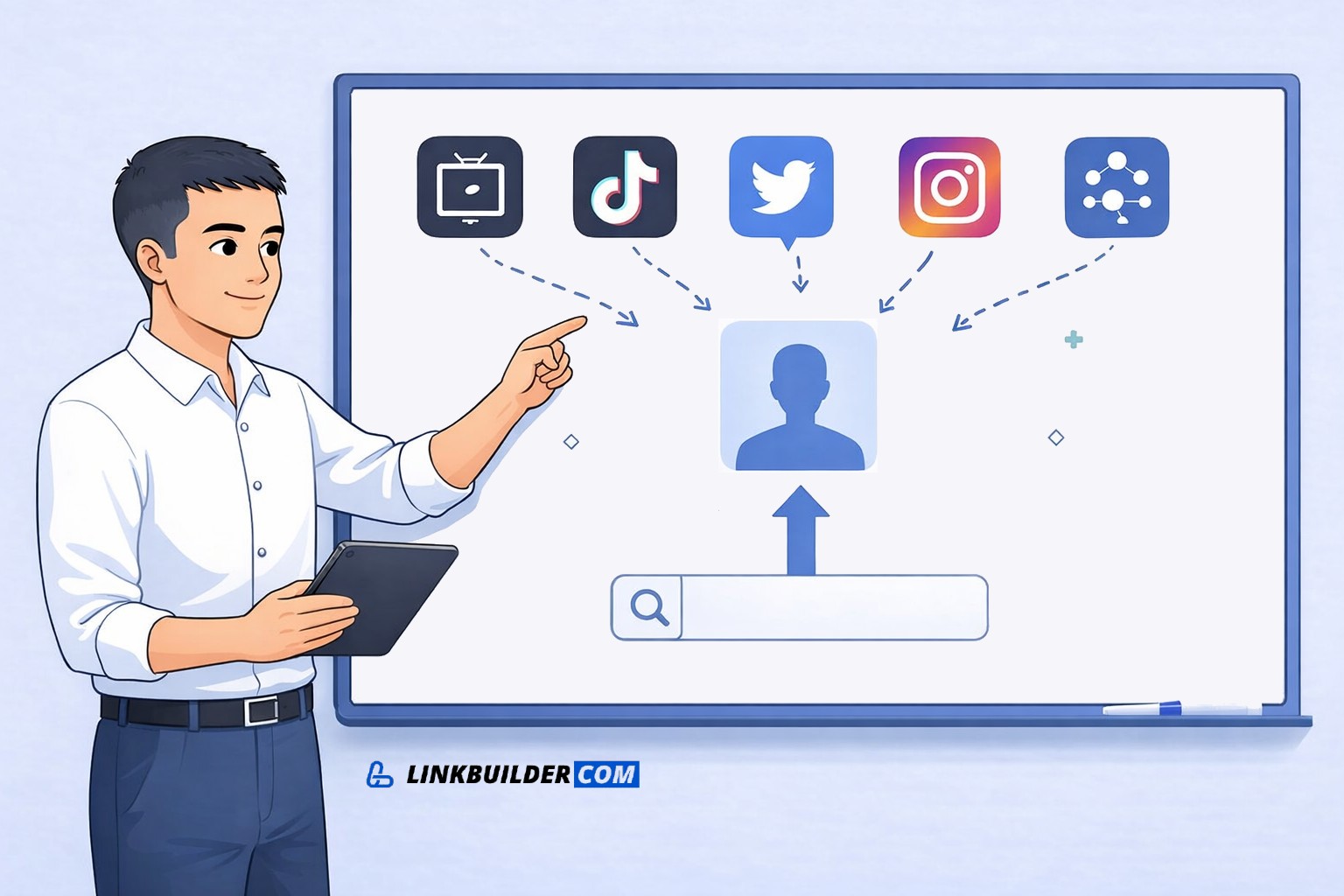
Mentions aren’t just background noise. They’re active players in how search engines rank sites. Their effect isn’t as straightforward as a link, but it’s more holistic because it shapes the overall perception of your brand.
Search algorithms want to show results that are not only relevant but also authoritative and trustworthy. Being talked about frequently in the right places is a major clue that helps them decide you fit the bill.
Building Website Authority
Website authority is the trust a search engine has in your site. Mentions help build it.
- It adds up. Every mention on a respected site is a small deposit into your authority bank. This is especially true for unlinked brand mentions in major news or government sites. Google notices when important sources talk about you.
- Context is everything. Being called a “market leader” or “recommended solution” in an article carries more weight than just being listed. This context directly builds brand mentions and brand mentions website authority.
- Defining your brand “entity.” The more Google sees your name connected to a specific topic (like “cloud accounting”), the clearer it becomes about what you’re an expert in. This clarity helps you rank for those topics.
Growing Your Search Visibility
Visibility means showing up for lots of searches, including your brand name. Mentions drive this.
- Expanding your reach. In articles and discussions, your brand gets associated with related topics and problems. Google picks up on these connections. Your site might start ranking for a wider variety of related searches.
- Dominating brand searches. The more people see your name online, the more they search for it. High search volume for your brand name and low bounce rates from those searches are powerful positive signals that push your site higher.
- Winning SERP features. Frequent mentions, especially in the news, make it more likely you’ll appear in special results like news boxes or knowledge panels. This directly boosts brand mentions and brand mentions search visibility.
The Connection to Organic Traffic
The end goal of SEO is targeted traffic. Mentions create it in several ways.
- Direct and brand traffic. The simplest path. Someone sees your name and types it into Google. Good brand mentions online constantly feed this channel.
- Referral traffic. If the mention has a link, the traffic comes straight over. Even without a link, a compelling mention might make someone manually visit your site.
- Better user signals. A visitor who has already heard of you is more likely to stick around on your site. They’ll view more pages and leave less quickly. These positive “behavioral signals” indirectly help your rankings.
Think of it this way: mentions warm up the audience. They build recognition and trust, making your organic traffic much more effective when it arrives.
Unlinked Mentions: A Hidden Growth Engine
For years, SEOs lived by one rule: “If it’s not a link, it doesn’t count.” That meant brand mentions without a hyperlink were often ignored. That mindset is now outdated.
Unlinked brand mentions aren’t a consolation prize; they’re a powerful channel in their own right. Modern search algorithms have gotten smart – they can recognize and value the fact that people are talking about you, link or no link.
Why a Missing Link Doesn’t Kill the Value
A mention’s worth isn’t just about providing a clickable path. It’s about the context, the source, and the role it plays in your brand’s digital footprint.
Imagine getting quoted as an expert in a major industry magazine, but without a link to your site. Old-school link builders might see that as a failure. But from a modern brand mentions brand management perspective, it’s a huge win. You’ve earned a powerful credibility signal embedded in a trusted source, which strengthens your brand mentions website authority in the eyes of both readers and algorithms.
Plus, it’s a perfect starting point. You can now reach out, thank the author, and politely suggest adding a source link for readers who want to learn more – turning it into a link-building opportunity.
How Search Engines “See” These Signals
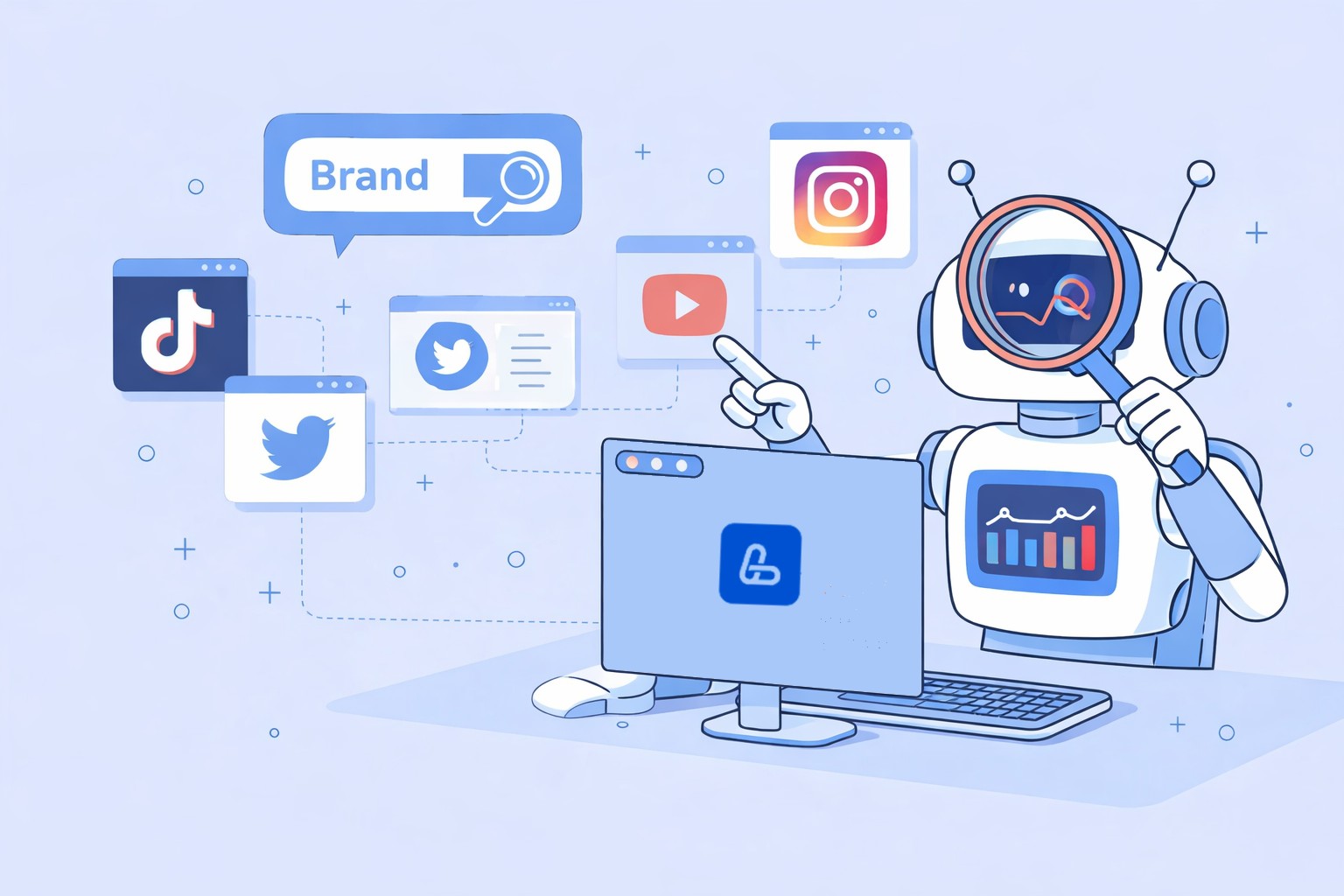
Today’s algorithms, powered by machine learning and AI, do much more than count hyperlinks. They try to understand the world through relationships between entities (like brands).
They use techniques like Named Entity Recognition (NER) to find and categorize company names in vast amounts of text. When Google consistently finds your name on different, authoritative sites, it logs that as a signal of notability.
What matters is how you’re talked about. Being mentioned alongside words like “innovative,” “reliable,” or “expert” builds a positive profile. The authority of the source (a national newspaper vs. a small blog) also weighs heavily. In this system, unlinked brand mentions are full-fledged, valuable data points.
Impact on Reputation and Trust
This is where unlinked mentions truly shine. They directly shape how potential customers perceive you.
Frequent, positive mentions in independent sources create a powerful “social proof” effect. Someone might see your name in a trusted article, then in a forum, then hear it on a podcast. Trust builds – even if they never click a single link.
This kind of organic chatter often feels more authentic and trustworthy than obvious advertising or paid links. It’s the engine of brand mentions and brand mentions trust.
It also builds a reputation “buffer.” If people are generally saying good things about you, a single negative review won’t sink your image. But if you have no mentions at all, that one negative review becomes the whole story.
When Unlinked is Actually Better
There are times when a pure mention is more valuable than a link could ever be:
- In expert communities (Reddit, Stack Overflow, GitHub). Here, blatant self-promotion is banned. But a genuine user recommendation for your tool in a technical discussion? That’s the holy grail of trust.
- In traditional media (newspapers, magazines). Journalists often can’t or won’t add external links due to policy. But being quoted as an expert in The Wall Street Journal is priceless for your authority.
- For a new product launch. At the beginning, you need buzz and awareness. Mentions in launch news and “first look” reviews get your name out there, which later turns into searches and traffic.
- For local businesses. When the local paper writes, “The new cafe [Name] on Main St. has opened its patio,” it drives customers directly. The fact and location are what matter, not a link.
A strategy obsessed only with links is missing most of the opportunity. Smart brand mentions monitoring builds the foundation of long-term trust and visibility you can’t simply buy.
How to Track Brand Mentions and Manage Your Narrative
Knowing mentions are important isn’t enough. You have to find them, analyze them, and act on the data. Without monitoring, you’re flying blind, missing chances and risking your reputation.
Why Your Business Needs a System
Googling your name once a month isn’t a strategy. Systematic monitoring solves real business problems:
- Manage reputation in real time. You’re the first to know about a social media firestorm or a glowing review. You can thank a supporter, help a frustrated customer, or stop a crisis before it starts. This is the heart of brand mentions and brand mentions reputation.
- Find growth opportunities. That unlinked mention in a top blog is a missed backlink chance. That forum discussion is a chance to jump in as an expert.
- Measure your PR and marketing. After a campaign launches, monitoring shows you where it actually landed. You see real reach and impact, not just internal metrics.
- Spy on the competition. See where they’re being talked about. Find new platforms for yourself and understand their strengths and weaknesses.
A system turns random chatter into structured data for brand mentions brand management and brand mentions analytics.
Tools for the Job
You have options based on your budget and needs. The goal is to automate as much as possible.
Free & Basic Methods:
- Google Alerts. The classic, but limited. Set it up for your brand name. For better searches, use operators like `"Brand Name" -site:yoursite.com`.
- Social Media Search. Use each platform’s built-in search for your @handle and relevant hashtags. Check the “Tagged” section on your profiles.
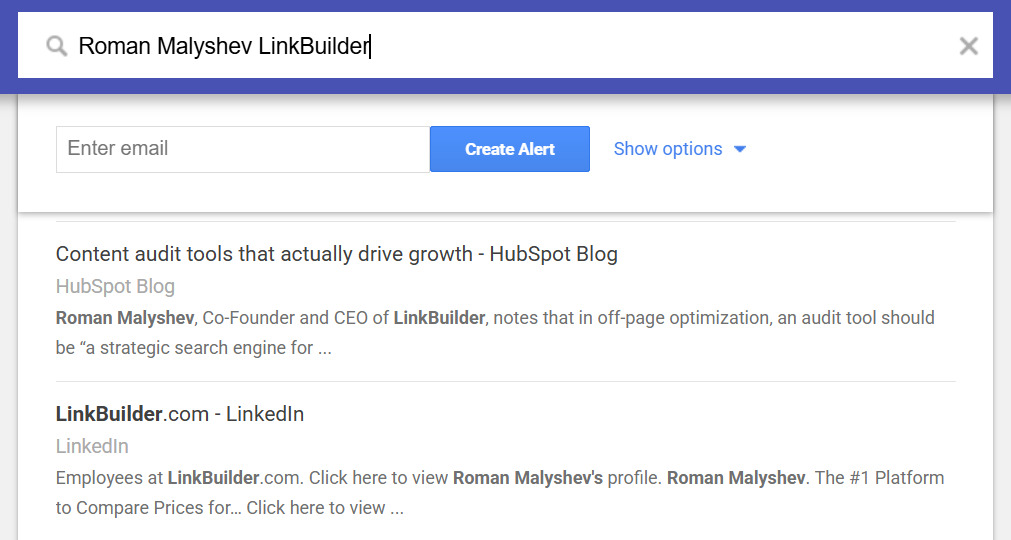
Professional Platforms (The Good Stuff):
For serious work, you need tools like Brand Radar, Alertmouse, Awario.
These services scan millions of sources – news, blogs, forums, social media, videos. They find mentions, judge sentiment, identify the source, and build reports.
They’re smart enough to find brand mentions social media even when you’re not directly tagged, track subtle discussions, and estimate audience reach.

Pro Tip: Monitor more than just your company name. Add product names, founder names, slogans, and even common misspellings to get the complete picture.
The Metrics That Actually Matter
Once you find mentions, you need to measure the right things.
- Volume and Trend:
- Measure: Not just total count, but how it changes week-to-week or month-to-month. A sudden spike means a successful campaign or a brewing problem.
- Why: This shows your overall brand “buzz.” It’s the basic health check for your brand mentions and brand mentions analytics.
- Sources, Reach, and Context:
- Sources: Where are the mentions coming from? What % are from authoritative sites?
- Reach: How many people potentially saw it? (Based on site traffic or follower count).
- Context: Is it a news story, review, question, or complaint?
- Why: This tells you about quality. A single mention in the New York Times might be worth 1,000 forum posts. It helps you focus efforts.
- Sentiment:
- Measure: Are mentions positive, neutral, or negative? What are the common themes in negative feedback?
- Why: This is your direct read on brand mentions and brand mentions trust. A negative sentiment trend is a major red flag. It also helps you find your happiest customers for testimonials.
Without a system for brand mentions monitoring, you’re managing your reputation and SEO based on guesses. Tools and the right metrics turn noise into an actionable plan.
Brand Mentions Analytics: Measuring the Real Impact

Finding mentions is step one. Step two is figuring out what they’re actually doing for your business.
Raw data is just numbers. Good analysis turns them into a strategy.
Separating the Signal from the Noise
Not every mention deserves a party. Ten thoughtful discussions in a professional community are often better than a hundred random tags. Judge quality by:
- Source authority. A mention in TechCrunch beats a mention on an unknown blog. The brand mentions SEO impact depends heavily on where it lives.
- Relevant context. Being discussed in the right forum thread is gold. Being name-dropped randomly is just noise.
- Sentiment and depth. A detailed, positive user experience story is valuable. A grumpy one-word complaint often isn’t.
- Engagement potential. Does the mention spark a conversation? That’s a chance for you to join in, show expertise, and boost brand mentions engagement.
Quality mentions build your brand mentions website authority over time. Noise just looks busy.
Connecting the Dots to SEO
You won’t see a single mention shoot you to #1 on Google. But collectively, brand signals move key SEO metrics:
- More brand searches. This is the clearest link. Active brand mentions online make more people search for you by name.
- Better user behavior. People who recognize your brand from mentions are more likely to click your search result and stay on your site. Google likes that.
- A path to more links. Great unlinked brand mentions are the perfect starting point for link building. You can reach out and ask for the link.
So, brand mentions and brand mentions website authority fuel each other in a virtuous cycle: mentions build awareness, which improves SEO, which leads to more mentions.
Impact on Traffic and Sales
Mentions work at different points in the customer journey. You can measure their effect on brand mentions traffic and brand mentions conversions:
- Direct & brand traffic. Linked mentions send clicks. Unlinked mentions drive people to type your URL or search for you.
- Referral traffic. This is traffic from blogs, forums, or news sites that linked to you. Analytics shows this separately.
- Higher conversion rates. Someone who arrives via a brand search or a trusted review is already warm. They’re much more likely to buy or sign up than a cold visitor from a generic search.
Calculating the ROI
To prove the value of brand mentions monitoring, translate it into money:
- PR Value: What would it have cost to get that same placement as a paid ad? The difference is your “earned” value.
- Customer Cost: Compare the cost to acquire a customer from “brand” channels (searches, referral from mentions) to your average cost from ads. Brand channels are often much cheaper.
- Revenue Link: For e-commerce, use tracking to see if a specific review led to sales. In B2B, see if spikes in mentions correlate with more high-quality leads.
The ROI from mentions is often long-term: it builds brand mentions trust and brand mentions reputation, which lowers your overall cost to win customers.
Learning from Your Competitors
Brand mentions analytics isn’t complete without checking out the competition. Monitoring their mentions tells you:
- Where they have presence. Which media, blogs, and influencers talk about them? This is a target list for your own brand mentions content marketing and PR.
- Their strengths and weaknesses. What are they praised for? What do people complain about? Use this to position your product better.
- Untapped spaces. Find communities talking about them where you’re absent. That’s your chance to step in.
- Your Share of Voice. What percentage of all conversations in your industry is about you vs. them? Growing your share often means growing market share.
Use this intel not to copy, but to find smarter ways to win, making brand mentions and brand mentions SEO optimization your advantage.
How to Get More Mentions: Tried-and-True Strategies
You can’t just sit back and hope for mentions. You have to go out and earn them. A proactive approach turns occasional buzz into a steady stream of signals that boost your brand mentions search visibility and brand mentions website authority. Here’s how to how to get brand mentions.
Content Marketing: The Organic Mention Engine
The best way to get mentioned is to create stuff worth talking about – content people want to cite. It should solve problems, offer unique data, or provide a fresh take.
- Publish original research. Do your own survey, market analysis, or data study. Release it as a report or article. Journalists and bloggers will cite you as a source, directly building brand mentions and brand mentions website authority.
- Build useful tools and resources. Create a free calculator, a comprehensive template, or an interactive guide. If it’s truly helpful, people in your industry will share it, leading to more unlinked brand mentions.
- Write the ultimate guide. Become the go-to resource on a key topic for your audience. This “cornerstone” content attracts links and mentions for years.
- Visualize your ideas. Infographics, charts, and explainer videos get shared more easily than text. Even if shared without a link, your brand on the visual does the work.
The rule: create value that can’t be copied. That’s the fuel for brand mentions content marketing.
Digital PR and Media Relations
Digital PR is about proactively getting your story into online publications.
- Newsjacking. Tie your expertise into breaking news in your industry. Quickly offer a smart comment or analysis to relevant reporters. It’s a fast track to being quoted as an expert.
- Become a source. Position your founders and team as go-to experts. List them on services like HARO (Help a Reporter Out) where journalists find sources.
- Make a press kit. Have a page on your site with hi-res logos, product photos, executive bios, and key facts. Make a journalist’s job easy, and you’re more likely to get accurate, prominent coverage.
This takes consistency, but it builds the most powerful kind of brand mentions and brand mentions trust.
Collaborating with Influencers and Experts
Partner with people who have your audience’s trust. It’s not just a paid post – it’s access to credibility.
- Choose relevance over reach. A micro-influencer in your exact niche often drives better mentions and brand mentions engagement than a celebrity with a vague audience.
- Offer value, not just cash. Give them early access to a product for an honest review, invite them to a joint webinar, or interview them. You’ll get more authentic coverage.
- Work with industry bloggers and experts. Co-author a study, invite them for a podcast interview. It’s a mutual exchange of credibility and audience.
Being Part of Communities and Forums
This is where authentic “word of mouth” lives. Don’t advertise – participate.
- Find your watering holes. Where does your target audience hang out online? Reddit, niche forums, Facebook Groups, Quora.
- Follow the rules. Lurk first. Learn the culture. Then start contributing by giving helpful, genuine answers.
- Share knowledge, not ads. Only mention your product if it’s the best answer to someone’s question. Provide a solution, not a sales pitch.
- Start conversations. Announce a new feature your community asked for. Pose an open question about a common challenge they face.
Social Media and Driving Engagement
Social isn’t just a megaphone; it’s a conversation that fuels brand mentions and brand mentions engagement.
- Encourage User-Generated Content (UGC). Run photo contests, hashtag campaigns, or ask for success stories. Share the best UGC on your profile (with credit!). This creates waves of brand mentions social media.
- Talk with people, not at them. Reply to comments, answer questions in Stories, run polls. A brand that chats gets mentioned more.
- Use all the formats. Short videos (Reels/TikTok), live Q&As, interactive Stories – different formats reach different people and create more opportunities for mention.
The Unified System: Where SEO, Content, and PR Meet
Doing content, PR, and SEO separately is inefficient. Their real power is in synergy. A unified strategy creates a self-reinforcing growth engine. Content provides the “what,” PR provides the “who,” and SEO ensures it’s found and measured.
How it works together:
- Content drives mentions. Research and expert articles are created not just for your blog, but to be hooks for journalists and influencers. This is brand mentions content marketing that generates brand mentions online.
- PR amplifies and distributes. The PR team’s job is to get that awesome content in front of the right editors and thought leaders. This leads to media placements that deliver serious brand mentions and brand mentions website authority.
- SEO is the foundation and the scoreboard. SEO experts ensure content is built to rank from the start. After PR hits, they measure the impact: more brand searches, more traffic, higher rankings. Converting unlinked mentions into links is also part of the SEO playbook.
The big benefit? No more silos. Content creators know what’s promotable, PR has quality material to pitch, and SEO can track the real business impact. It creates a cycle: Create Value → Promote Value → Measure & Amplify Results. This drives brand mentions trust, brand mentions search visibility, and brand mentions conversions.
Why You Might Need One Partner for This
Getting different departments or freelancers to work in perfect sync is tough. You need one team with a shared goal, shared data, and shared accountability. A professional agency like LinkBuilder.com acts as that integrator.
Benefits of an Integrated Agency Approach:
- One strategy, not three services. You get a single plan where content, PR, and SEO actions are coordinated to hit business goals.
- Experts in sync. Writers, PR managers, and SEOs work from the same playbook and adjust based on shared analytics.
- Results that scale. An agency brings media relationships, advanced tools, and experience to systematically increase your mention volume and quality.
- Clear ROI. You see how mentions affect real outcomes: brand traffic, commercial keyword rankings, leads. The investment makes sense.
LinkBuilder.com delivers this within a single strategy. We help turn brand mentions from a vague concept into a managed driver of growth.
How to Get More SEO Value from the Mentions You Already Have
Finding mentions is step one. Step two – where many stop – is squeezing every last drop of value out of them.
Many companies monitor but don’t optimize, missing free chances to boost their SEO and traffic. Let’s fix that.
Finding Hidden Opportunities
Start with a proactive audit. Look for mentions you can improve.
- Monitor everything. Don’t just track your company name. Look for product names, founder names, slogans, campaign names. You’ll find contextual and implicit mentions others miss.
- Study author networks. If one writer at a publication mentioned you, look at their colleagues. They likely cover similar beats and could be interested in your insights for future stories.
- Find “mention gaps.” Search for popular articles about your industry or competitors that don’t mention you. If the article is still relevant, you can offer to provide an expert perspective to update it.
This turns passive brand mentions monitoring into an active treasure map.
Turning Unlinked Gold into Links
This is a top-tier link-building tactic. You already have the hard part – a positive mention on a good site. Now, just add the link.
We have a full guide on this, but the basics are:
- Start with the best. Prioritize mentions on the most authoritative, relevant sites.
- Politely ask the author. Never use a template. Personalize it:
- Thank them for the specific mention.
- Compliment their article.
- Suggest a link would help their readers (e.g., “Readers might appreciate a direct link to the product specs” or “Here’s a link to the full study we referenced”).
- Offer a trade. Can you provide updated data, a quote from another expert, or a relevant infographic? Sweeten the deal.
- Be direct and helpful. Editors are busy. Get to the point and provide the exact URL you’d like linked.
When the Mention Is the Prize
Trying to link-ify every single mention can backfire. Sometimes, the mention itself is more valuable.
- Social media & personal conversations. Asking someone to add a link to their tweet or Facebook post is awkward. The value is in the organic brand mentions social media and engagement. Don’t ruin it.
- Community recommendations. If a user recommends you on Reddit, barging in to ask for a link looks spammy and kills trust. The organic endorsement is what builds brand mentions trust there.
- Negative or neutral contexts. If you’re mentioned in a complaint or a dry news recap, asking for a link is tone-deaf. Focus on the conversation, not the link.
- Building E-E-A-T. For Google, seeing your data or experts cited across the web – even without links – proves your authority. That digital footprint builds brand mentions website authority on its own.
Work strategically. Sometimes you push for the link. Sometimes you just note that the brand signal itself is doing the heavy lifting for your SEO and reputation.
The Future of Brand Mentions in SEO
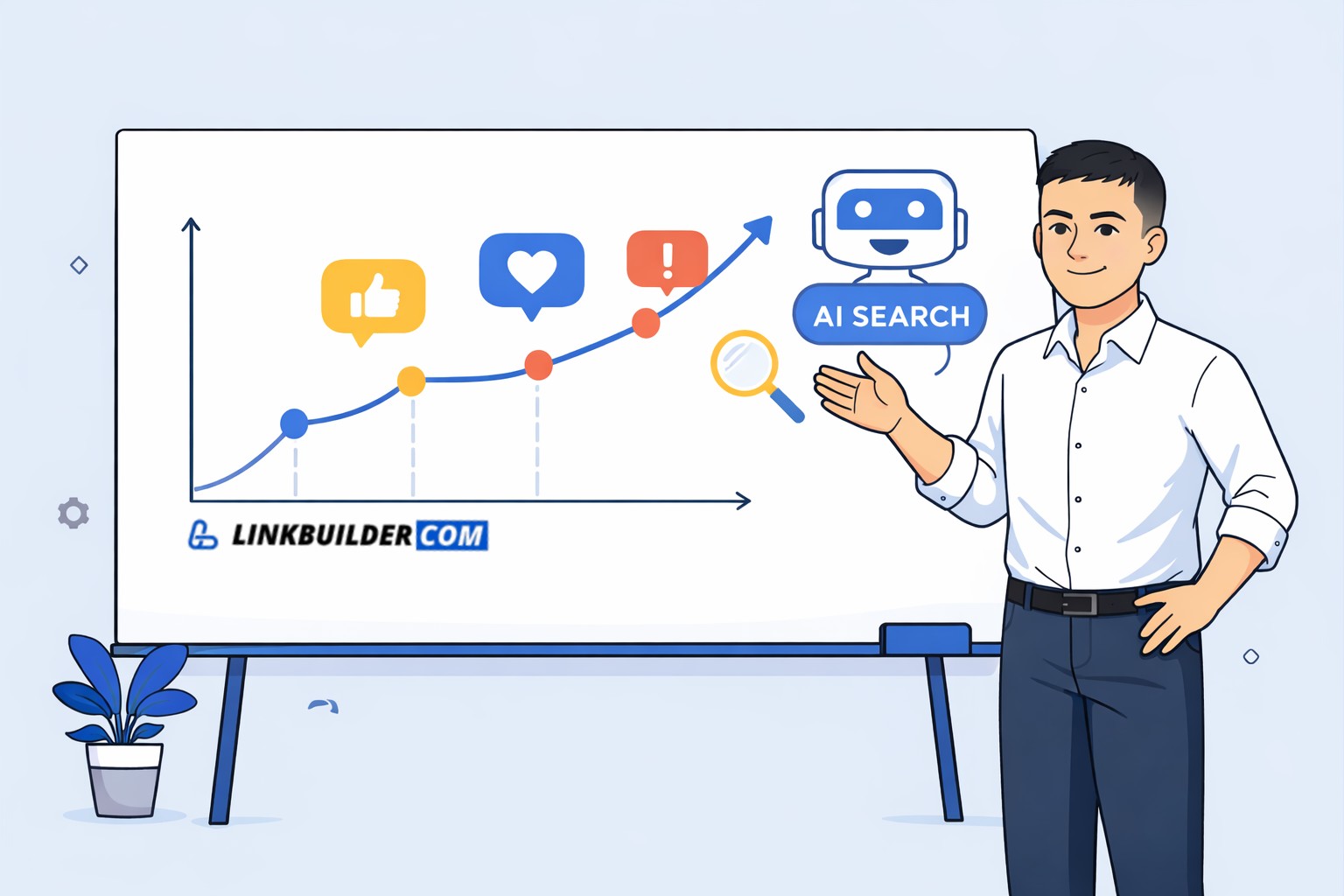
The writing is on the wall: brand mentions will only become more important. Search is moving towards understanding the world like humans do – through context, reputation, and real-world authority, not just technical links. We’re heading towards a future where brand mentions online are a primary currency of trust.
AI Search and LLM Algorithms Are Changing the Game
Search powered by Large Language Models (LLMs) is a paradigm shift. These systems don’t just list links; they synthesize answers from many sources.
- It’s about citation, not just ranking. An AI search engine will cite its sources in its answer. Your goal is to be a source it deems authoritative enough to cite. This changes the game from “ranking in the top 10” to “being recognized as an expert.” Your brand mentions and brand mentions website authority are your ticket in.
- Deep context understanding. LLMs are great at understanding relationships and meaning. They’ll judge not just that you’re mentioned, but how – as an innovator, a trusted partner, a standard. Nuanced and implicit mentions will gain value.
- New sources gain prominence. AI answers might cite Reddit threads, YouTube videos, or podcast transcripts as readily as news articles. Your brand mentions monitoring needs to be wider than ever.
Why Brand Signals Will Overtake Links
Links will stay relevant, but they’ll become one factor among many. Brand signals will lead because:
- They’re harder to fake. It’s easier to buy spammy links than to fabricate a genuine, widespread reputation built from thousands of organic mentions. Future algorithms will favor these robust, authentic signals of brand mentions trust.
- They measure real-world influence. Search engines want to recommend what people already know and respect. If you’re widely discussed in trusted places, that’s solid evidence of your importance. This is crucial for brand mentions search visibility in an AI-driven world.
- They align with user intent. The point of search is to satisfy the searcher. A brand with strong awareness and a good reputation is often the best fit. Mentions that build that reputation become the key indicator.
The future belongs to brands that are widely recognized and cited in the digital ecosystem, not just those with the most backlinks.
How to Adapt and Win
To stay visible, your strategy must evolve:
- Shift from keywords to topics & expertise. Build comprehensive, authoritative content on subjects your audience cares about. Become the source everyone (including AI) cites.
- Double down on Digital PR. Systematic media relations and expert positioning aren’t optional extras – they’re core SEO activities for building mention-worthy authority.
- Embrace communities & new formats. Your authority on niche forums, video platforms, and in podcasts will be critical. This is where genuine brand mentions and brand mentions engagement happen.
- Upgrade your analytics. Move beyond rank tracking. Implement brand mentions analytics that measure Share of Voice, sentiment, and the direct impact of mentions on your business goals.
The future of SEO is the blend of optimization, public relations, and brand building. The companies winning tomorrow are those building a strategy today around earning a sterling digital reputation through quality mentions.
Making this shift often requires a partner who can connect all the dots. LinkBuilder.com is that integrator, offering a complete strategy – from expert content and PR to analytics and optimization.
Get in touch. Let’s build a strategy that makes your brand impossible for both customers and search engines to ignore.